
—
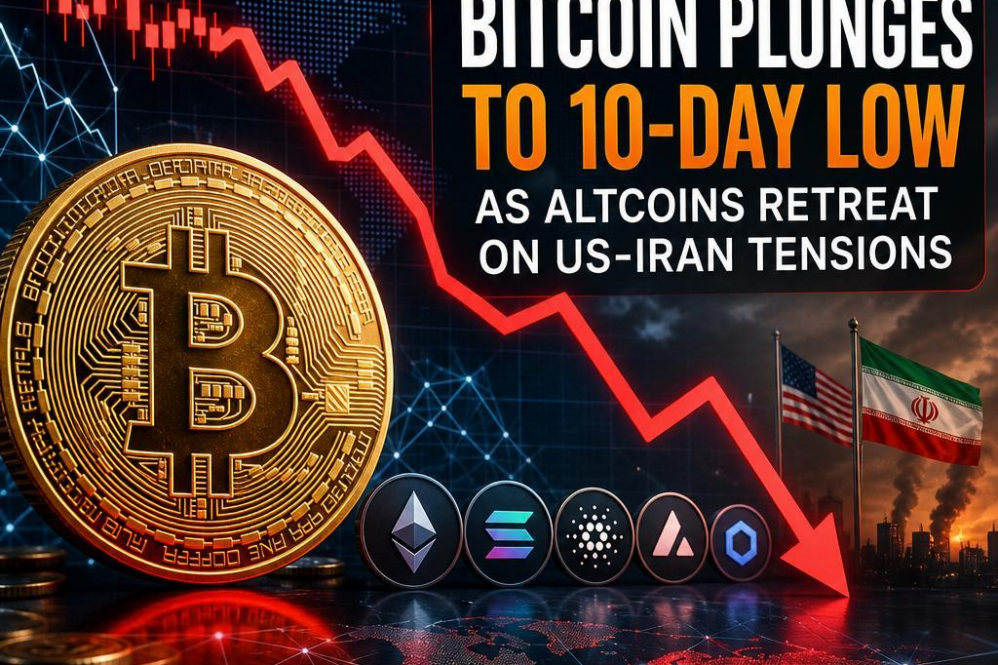
Bitcoin Plunges to 10-Day Lows Amid Escalating Global Tensions
Bitcoin experienced a notable decline yesterday, reaching levels not seen in the past ten days, as global geopolitical tensions escalated. This downturn reflects the heightened uncertainty in financial markets, driven by volatile global events. Despite Bitcoin’s reputation as a safe-haven asset, its price can still be significantly impacted by broader market sentiments.
During periods of geopolitical instability, traditional safe-haven assets like gold typically see increased demand. However, Bitcoin has emerged as an alternative hedge against economic uncertainty. Yet, recent events underscore the complex nature of Bitcoin’s role as a safe haven: while it can benefit from concerns over inflation and currency devaluation, market uncertainty can also lead to selling pressure, perhaps undermining its price stability. This dual nature necessitates a cautious approach when evaluating Bitcoin’s effectiveness as a hedge.
Technical analysts view the current price movements as a critical signal, possibly indicating a shift towards a more cautious market sentiment. It is essential for traders to monitor key support levels closely, as breaking below these could trigger further downward pressure. Despite the volatility, institutional interest and broader acceptance of cryptocurrencies continue to grow, suggesting that temporary market fluctuations should not overshadow long-term trends.
Altcoin Market Correction Intensifies as Cryptocurrency Volatility Spikes
The recent downturn in the cryptocurrency market has intensified, with many altcoins experiencing significant corrections. Following Bitcoin’s price action, other assets have also seen their share of volatility.Altcoins, in particular, are highly sensitive to broader market trends and investor sentiment, leading to a period of correction where prices either dropped or remained stagnant.
This period of correction in altcoins represents a time of uncertainty and reevaluation for many traders and investors. It is indeed common for altcoin prices to dip when there are concerns about overall market health, regulatory changes, or decreased interest from large-scale institutional investors. This kind of market behavior is part of the natural cycle of cryptocurrency markets, where periods of high valuations are often followed by corrections that help stabilize prices and allow new entrants or existing players to build positions at more favorable prices.
Understanding the potential implications of these corrections is crucial for participants in the crypto space. While corrections can be unsettling, they also provide opportunities for investors to reassess their portfolios and strategies. However, the exact impact of these market movements can vary widely and is influenced by a myriad of factors. Traders and investors are advised to conduct thorough research and consider multiple perspectives before making any significant moves.
Geopolitical Risks Cast Shadow Over Cryptocurrency Stability
Recent geopolitical tensions have cast a shadow over the cryptocurrency market, prompting a wait-and-see attitude among many investors. International conflicts and uncertain regulatory environments can significantly impact the stability of digital currencies, leading to volatility in market prices and trading volumes. As global economies face economic sanctions, trade disputes, and political upheaval, the inherent safety and freedom of cryptocurrencies, once their major selling points, are now being questioned due to their potential exposure to broader economic and political risks.
A significant factor contributing to investor caution is the unpredictable nature of how governments might respond to these geopolitical challenges. Regulatory frameworks around the world are still evolving,and some nations have already implemented strict regulations or outright bans on cryptocurrencies. Such actions can create uncertainties that deter investment and trading activity, notably in regions where geopolitical tensions are rising. Understanding the nuances of regulatory developments along with geopolitical dynamics is crucial for investors looking to navigate this complex landscape.
Moreover, geopolitical events often lead to shifts in traditional financial markets, which in turn can influence demand for alternative investments like cryptocurrencies.A decline in confidence in traditional currencies or central banking systems can fuel interest and adoption of digital currencies. However, it’s significant to recognize that while cryptocurrencies offer an alternative, they are not immune to broader macroeconomic conditions. Consequently, investors must remain vigilant and prepared for the potential for increased volatility in both cryptocurrency and broader financial markets.
Economic Headwinds and Geopolitical Shocks Reshape Market Conditions
Economic headwinds and geopolitical tensions are increasingly shaping the cryptocurrency market, creating an environment that is both volatile and uncertain. These factors frequently enough cause investors to reassess their portfolios, looking for safer havens or seeking out opportunities in riskier assets like cryptocurrencies. Governments and central banks worldwide respond to economic pressures with policy changes that can dramatically impact market sentiment and regulatory frameworks surrounding digital currencies.
Geopolitical shocks, such as international trade disputes and regional conflicts, also ripple through the cryptocurrency ecosystem. As major global players alter their economic stances or engage in diplomatic tensions, these events can lead to increased market volatility. Cryptocurrency investors must remain vigilant, as such events can lead to sudden spikes or drops in the value of digital assets. However, these shocks also provide insightful moments to assess the resilience and diversification of a portfolio, encouraging a deeper understanding of the underlying assets’ strengths.
Understanding the interplay between macroeconomic trends and geopolitical events is crucial for navigating the cryptocurrency market.Investors should focus on maintaining a balanced approach, possibly including exposure to stablecoins or less volatile cryptocurrencies during periods of heightened risk.While such conditions can test the resolve of even seasoned traders, they also present opportunities for strategic investments and innovative trading strategies. The key is knowledge and adaptability, allowing for responsive action amidst the unpredictability of the market.
—