

In a twist of fate that has left many bettors reeling, the recent speculations surrounding the election of the new Pope have resulted in considerable financial losses for those wagering on Polymarket, the prominent prediction market platform. What began as a fervent betting frenzy, fueled by fervent public interest and rampant speculation, has now revealed the inherent unpredictability of religious leadership appointments. As the anticipated proclamation continues to be postponed, investors find their optimism waning, leading to a meaningful decline in market activity and confidence. This article explores the implications of this recent trend, analyzing how the once-promising potential of Polymarket has diminished in the face of an ever-elusive outcome, and what it means for the future of betting on high-stakes events.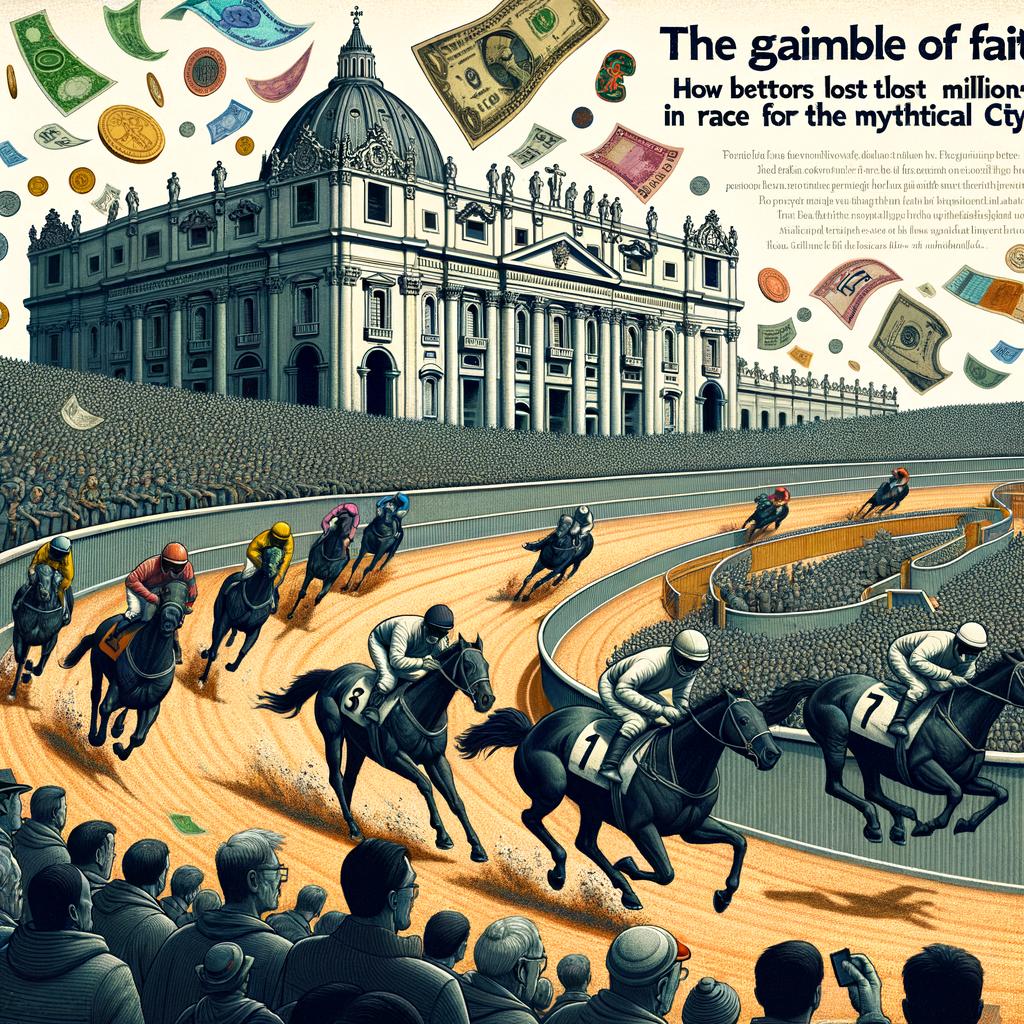
“The Gamble of Faith: How Bettors Lost Millions in the Race for the Vatican”
The recent phenomenon surrounding the Vatican’s unusual betting markets has drawn the attention of gamblers and religious observers alike. In the high-stakes world of religious events, bettors have wagered millions on outcomes that intertwine the sanctity of faith with the unpredictability of chance. This intersection raises critical questions about the ethical implications of commodifying sacred traditions and rituals.
As punters flocked to place their bets, they navigated a landscape rife with uncertainty. Speculative wagers on papal resignations,controversial appointments,and public declarations from the Vatican left many at the mercy of news cycles and rumor. The volatile nature of this betting habitat has resulted in substantial financial losses, as bettors frequently enough underestimated the inherent complexities of religious leadership and doctrine.
The allure of speedy returns has not only led to significant financial loss but has also sparked debates on the morality of betting on events steeped in faith. Many experts caution that this trend reflects a broader societal shift towards gambling culture, where even the most sacred institutions are not immune to the financial stakes of the betting world. As discussions continue, the implications of these actions will likely reverberate through both the gambling industry and religious communities, prompting a re-examination of the lines separating faith from finance.
“Polymarket’s Paradox: Analyzing the Decline of Predictive Accuracy in Papal Elections”
The evolving landscape of predictive markets has brought to the forefront an intriguing decline in accuracy regarding papal elections, notably within platforms like Polymarket. As predictive outcomes increasingly ripple through public discourse, the fundamental question arises: what factors contribute to the diminishing reliability of such forecasts? Observers note that while speculative investments can be lucrative, they may inadvertently foster a culture of misinformation, leading to skewed expectations about potential outcomes in the papal selection process.
Several elements warrant examination when dissecting this paradox of predictive accuracy. Frist, the media influence surrounding papal elections plays a pivotal role. With extensive coverage by various news outlets, pre-election narratives often morph into overwhelming consensus views, which can mislead public sentiment and betting behavior. This not only distorts market predictions but also undermines the very essence of a predictive market, which thrives on informed speculation rather than mass hysteria.
Secondly, the changing dynamics within the College of Cardinals itself has introduced new complexities.With an increasingly diverse pool of candidates, voters may prioritize different qualities, leading to unpredictability in choosing the next pope. The shifting cultural contexts and geopolitical factors also complicate expectations and predictions, reinforcing the notion that reliance on past results can be misleading. In light of these factors, the decline in predictive accuracy emerges not merely as an anomaly but as a significant reflection of deeper structural changes within both the Catholic church and the predictive market framework.
“From Prophecy to Loss: The Financial Fallout of Speculating on Papal Succession”
As speculation around papal succession intensifies,the financial consequences of investing in such forecasts have become increasingly pronounced. The intertwining of religious authority with market dynamics creates a unique landscape where the stakes are not just spiritual but also pecuniary. Investors often find themselves caught in a web of fluctuating predictions, where the slightest shift in the Vatican’s hierarchy can lead to significant monetary losses, as seen in recent market reactions following unexpected announcements.
Economic analysts point to trends where large sums are wagered on future popes,often driven by public sentiment and perceived piety. The volatility in these markets has been exacerbated by the rise of social media, amplifying rumors and predictions at an unprecedented rate. This social media landscape serves as a double-edged sword; while it democratizes details access, it can also exacerbate misinformation, leading to poorly informed investment decisions. Recent instances show a direct correlation between viral speculation and sharp declines in market confidence, resulting in substantial financial fallout.
Furthermore,the ethereal nature of prophetic speculation challenges customary financial wisdom. Investors must grapple with the inherent uncertainties of predicting religious leadership,which lacks the quantifiable metrics found in conventional markets. Consequently, many individuals engaging in this arena find themselves vulnerable to abrupt shifts, raising questions about the psychological motivations driving such risky investments. as the dust settles on recent financial upheavals tied to papal succession predictions, it becomes clear that the intersection of faith and finance can yield unpredictable, often devastating, outcomes.
the recent fervor surrounding predictions on the new pope, showcased on platforms like Polymarket, epitomizes the complexities and unpredictable nature of speculative betting. As bettors collectively lost millions in their quest to forecast the future leader of the Catholic Church, this episode serves as a poignant reminder of the inherent risks involved in gambling on uncertain outcomes. The swift and volatile shifts in market sentiment reflect not only the challenges of discerning prophetic insight in the ecclesiastical sphere but also illustrate the broader implications of betting platforms that lack regulatory oversight. As the dust settles on this particular betting frenzy, it raises fundamental questions about the sustainability of such markets and the need for informed decision-making amidst the allure of quick returns. As we move forward, both bettors and market operators must approach these speculative ventures with caution, underscoring the importance of critical analysis in a realm where the stakes can be as high as the odds themselves.


