Apple is contesting a ruling that would force it to pay Optis $502 million for LTE patent infringement, but the UK Supreme Court has yet to reach a verdict.
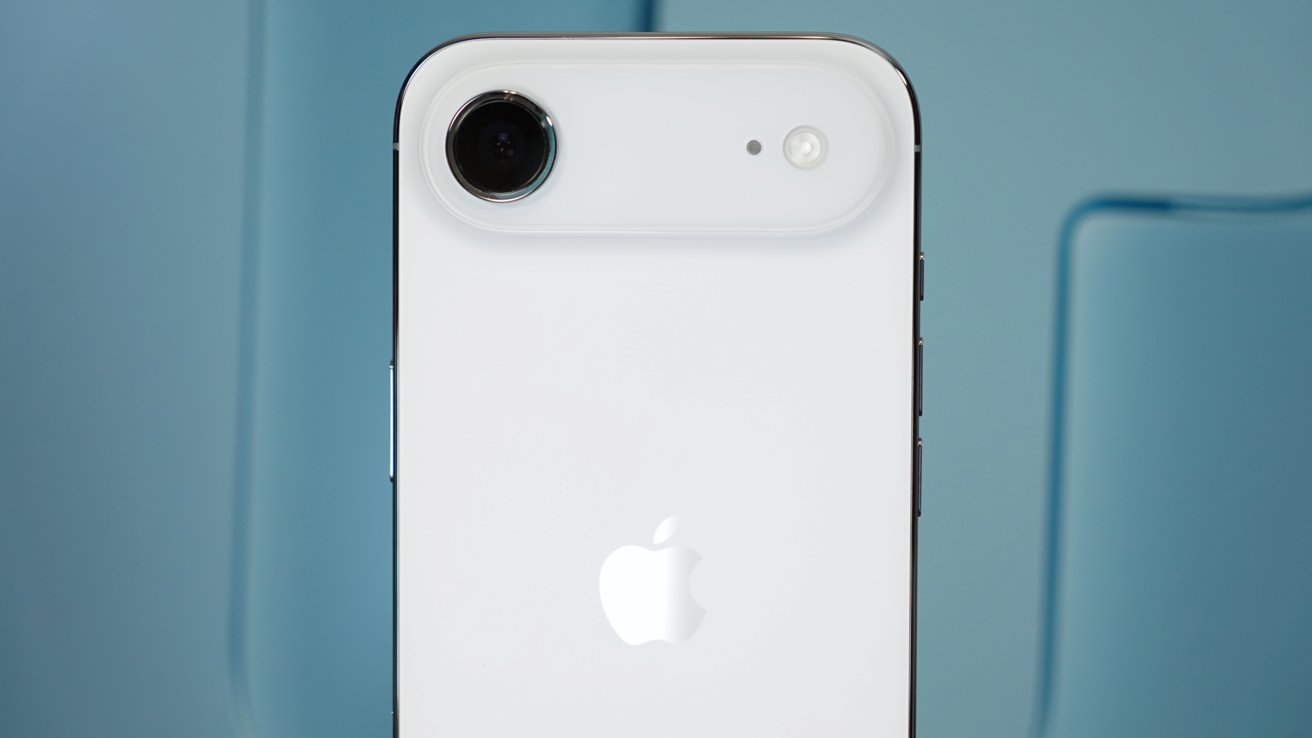
Apple seeks to avoid paying Optis $502 million over alleged patent infringement.
The legal battle between Apple and Optis goes back to February 2019, and there’s still no end in sight all these years later. Apple was accused of infringing upon Optis’ LTE patents, which ultimately led to lawsuits in both the United Kingdom and the United States.
The latter case resulted in Apple’s victory, as it avoided paying Optis $300M in damages in February 2026. The outcome of the UK lawsuit, however, isn’t quite as clear-cut.
Continue Reading on AppleInsider | Discuss on our Forums
**Apple’s 2 Million Optis Patent Infringement Payment Headed to UK Supreme Court**
*London, June 2024* – Apple Inc.’s ongoing legal battle with technology licensing firm Optis Cellular Technology LLC over alleged patent infringement has escalated further, with the matter now advancing to the UK Supreme Court. The case centers on Apple’s refusal to pay 2 million in damages for allegedly infringing on Optis’ LTE patents in several of its iPhone models.
### Background and Legal Conflict
The dispute dates back to February 2019 when Optis, a company specializing in managing and monetizing wireless technology patents, filed suit against Apple for using patented LTE technology without proper licensing. Optis asserted that multiple generations of iPhones incorporated its patented inventions related to 4G LTE cellular standards, vital for wireless communications.
Initially, the UK High Court ruled against Apple, ordering the tech giant to pay the substantial 2 million sum as compensation for patent infringement. However, Apple contested the ruling, arguing both on grounds of patent validity and the terms of the licensing agreements. The company contends that Optis’ patents are either invalid or already licensed under FRAND (Fair, Reasonable, and Non-Discriminatory) terms, thus not justifying the hefty claim.
### Current Status and Supreme Court Involvement
With prolonged appeals culminating in the Court of Appeal affirming the earlier judgment, the case has now been escalated to the UK Supreme Court. Legal experts anticipate that this highest court’s decision will be critically influential not only for Apple and Optis but also for global patent licensing practices, particularly concerning the telecommunications sector.
Analysts note that the Supreme Court’s involvement signals the complexity and the high stakes of this dispute, which encapsulates broader global tensions between technology developers and patent holders. The ruling could set precedent on how standards-essential patents are valued and enforced-especially in rapidly evolving industries like mobile communications.
### Market and Industry Implications
The outcome of this case holds significant market implications. For Apple, a loss at the UK Supreme Court level could trigger financial liabilities beyond the 2 million fine, including potential injunctions against the sale of infringing iPhones in the UK, or mandates to renegotiate licensing terms industry-wide.
From an industry perspective, the verdict could reshape how companies approach patent licensing negotiations, putting greater pressure on smartphone manufacturers to secure more comprehensive and transparent patent rights when integrating standard technologies. It may also embolden patent-holding entities to pursue more aggressive enforcement actions.
### Expert Perspective
Intellectual property law expert Dr. Sarah Middleton from the London School of Economics commented, “This case highlights the ongoing friction inherent in the valuation and licensing of standard essential patents. The Supreme Court’s ruling will likely clarify the framework under which such patents are adjudicated in the UK, influencing practices internationally.”
Patent attorney Michael Green added, “Given the scale of Apple’s operations and the ubiquity of LTE technology, this is more than just a commercial dispute. It’s a signal to the tech industry about the risks tied to patent-related compliance and the effectiveness of current licensing structures.”
### Conclusion
As Apple awaits the UK Supreme Court’s verdict, the legal world watches closely. The case exemplifies the complex intersection of technology innovation, patent law, and commercial strategy in an era dominated by wireless connectivity. Whatever the outcome, it will have lasting repercussions across the technology and telecommunications industries.
**Read more at:** [Apple Insider News](https://thebitcoinstreetjournal.com/apples-502m-optis-patent-infringement-payment-headed-to-uk-supreme-court/)
Source: AppleInsider News