
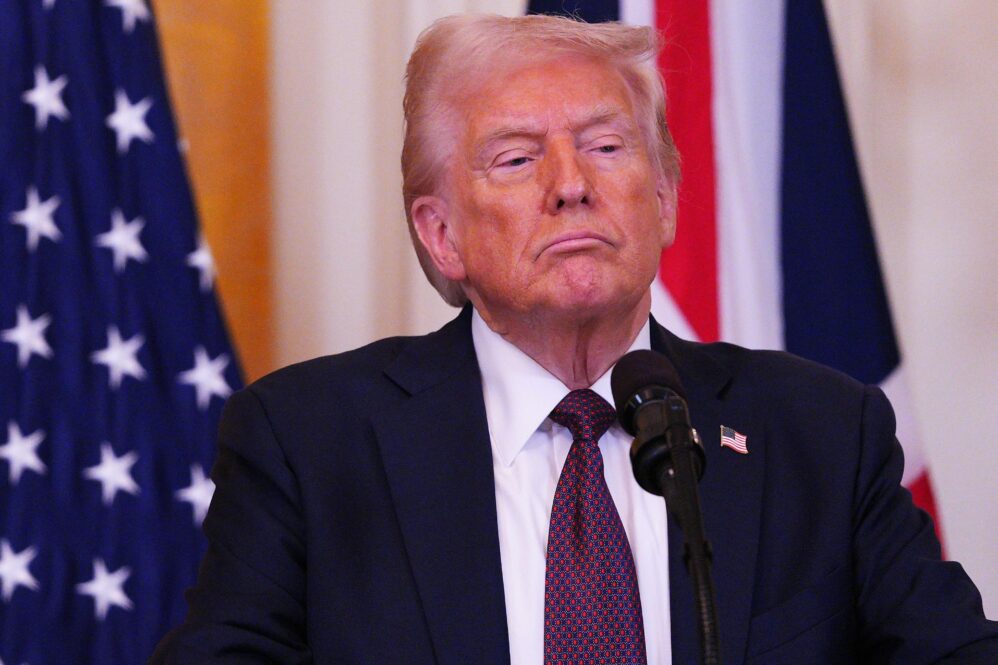
In a decisive ruling that underscores teh ongoing battle over education policy in the United States, a federal court has delivered a significant blow to former President Donald TrumpS efforts to dismantle key provisions of the Department of Education. The court’s decision, which reaffirmed the federal agency’s authority and funding mechanisms, marks yet another setback for Trump as he grapples with the implications of his administration’s educational reforms.Advocacy groups and education officials have hailed the ruling as a victory for students and educators, emphasizing the critical role of the Department of Education in ensuring equitable access to quality education amid ongoing political challenges.
Education Department’s Resilience: How Recent Decisions impact Federal Funding
The recent rulings regarding federal education policies have validated the resilience of the Education Department, with implications for funding initiatives across various levels. Key decisions affirm that the Department’s oversight is crucial in ensuring that resources are allocated equitably, particularly to underfunded districts and marginalized communities. this highlights the role that federal funding plays in promoting educational access, ensuring that all students, regardless of their background, receive the support they need to succeed.
As a response to challenges in federal funding mechanisms, officials at the education Department are pivoting their strategies. Recent measures have focused on:
- strengthening Accountability: Ensuring funds are used effectively to meet educational standards.
- Promoting Equity: Directing resources to high-need schools to close achievement gaps.
- Innovative Funding Models: Adopting approaches that leverage state and local partnerships.
| Funding Initiatives | Description |
|---|---|
| title I Funding | Targeted support for low-income schools to improve student performance. |
| Special Education Grants | Resources allocated for programs supporting students with disabilities. |
| Community Engagement Programs | Funds aimed at fostering partnerships between schools and local organizations. |

Navigating the Political Landscape: Implications for Trump’s Educational Policies
The recent decision to preserve the Department of Education has significant implications for the political landscape, particularly regarding former President Donald Trump’s educational policies. Trump’s administration had prioritized deregulation and reduced federal involvement in education, proposing significant cuts to federal education funding. The survival of the Department signals a continuing commitment to federal oversight and support for various educational initiatives, which may counteract Trump’s previous efforts to decentralize the education system. As lawmakers and educators reassess the direction of national education policy,the focus may shift towards fostering equitable access to education for all students.
Considering this development, education advocates and policymakers are likely to address pressing issues such as funding disparities, student loan debt, and educational quality.Key areas of focus may include:
- Equity in Education: Tackling funding gaps between wealthy and low-income districts.
- Student Loan Reform: Exploring options to alleviate the burden of student debt.
- Curriculum Development: Incorporating diverse perspectives and modern skills in education.
The survival of the Department of Education thus represents a pivotal moment for educational policy in the United States, as it may lead to reinvigorated federal support and resources aimed at addressing the evolving needs of students and educators alike.

Future of Education Reform: Strategies for Maintaining Progress Amidst Challenges
in a pivotal moment for education reform, the Department of Education remains intact, ensuring a continued focus on equity and access within the nation’s schools. With numerous challenges looming, including budget cuts and policy shifts, it is indeed imperative to adopt strategic frameworks that not only sustain progress but also foster innovation.Key strategies include:
- Community Engagement: Local voices must be heard in policy formulation to tailor reforms to specific needs.
- Data-Driven Decisions: Utilizing analytics to guide educational practices can enhance effectiveness and accountability.
- Collaborative Partnerships: Schools should forge connections with community organizations to broaden resource availability.
Furthermore, as educational institutions grapple with evolving demands, integrating technology into the learning environment offers substantial potential for advancement. By implementing blended learning models, educators can personalize the learning experience, while also equipping students with essential digital skills for the future job market. To this end, it is crucial to focus on:
- Teacher Training: Continuous professional development ensures that educators are equipped to use modern tools effectively.
- Policy Support: Legislative backing is needed to provide the necessary funding and frameworks for technology implementation.
- Innovation Incentives: Encouraging creativity and experimentation in education practices can lead to groundbreaking developments.
The Conclusion
the recent decision to preserve the Department of Education stands as another significant setback for former President Trump and his ambitions to reshape federal education policy.As advocates for public education celebrate this victory, it highlights the ongoing tensions between federal priorities and state-level educational reforms. The ruling not only reinforces the importance of maintaining established educational frameworks but also signals the resilience of institutional safeguards against rapid policy changes. Moving forward, it will be crucial to monitor how this decision influences future legislative agendas and the broader discourse surrounding education in America.


