

Understanding the Threat of Wallpaper Malware Targeting Steam Gamers
Steam gamers are increasingly at risk due to a novel form of malware disguised as alluring anime wallpapers. These seemingly innocent images, when downloaded and applied as desktop backgrounds, can embed malicious code that silently infiltrates a user’s system. The malware’s primary goal is to seize control of cryptocurrency wallets by harvesting private keys and login credentials without triggering conventional antivirus alerts. This threat exploits the trust gamers place in fan-made content, particularly anime-themed assets, which are popular within the gaming community.
Key indicators of this wallpaper malware include:
- Unexpected system slowdowns after wallpaper changes
- Unauthorized transactions or access to crypto wallets
- Appearance of unkown processes linked to graphics rendering
- Firewall or security software alerts regarding outbound connections
Protecting yourself involves:
- Downloading wallpapers exclusively from verified sources
- Regularly updating antivirus and anti-malware tools
- Monitoring crypto wallet activity for suspicious behavior
- Utilizing multi-factor authentication on all sensitive accounts
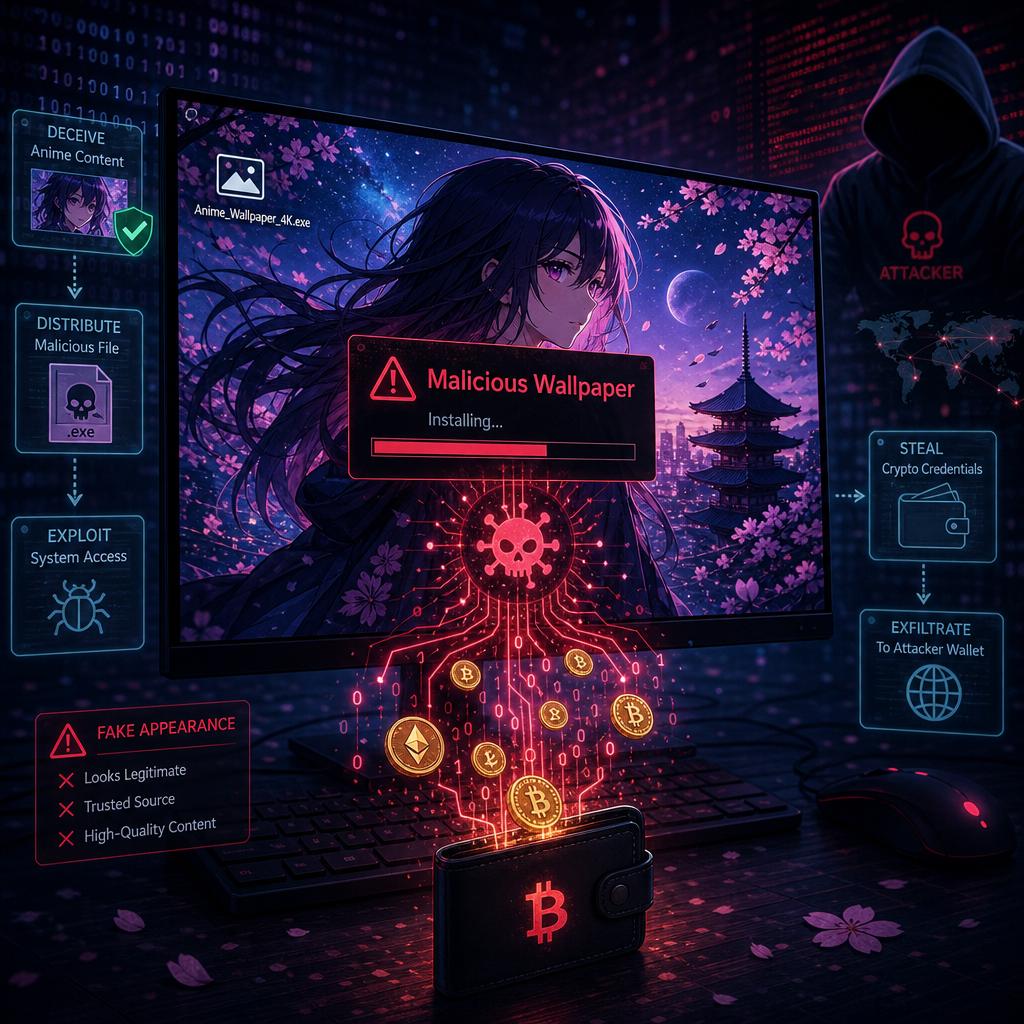
How Anime-Themed Wallpapers Are Exploited to Deploy Crypto Theft Malware
Malicious actors have found a cunning vector by embedding crypto theft malware within anime-themed wallpapers, exploiting the enthusiasm of steam gamers who avidly seek out unique desktop aesthetics. these wallpapers, often masquerading as high-quality images of popular anime characters, actually contain hidden, malicious scripts that activate once downloaded and applied. The attack typically leverages vulnerabilities in the Steam client or the operating system, allowing the malware to access sensitive information such as cryptocurrency wallets, private keysand login credentials without the user’s knowledge.
Key tactics employed in these malware campaigns include:
- Packaging malware within commonly shared wallpaper files (e.g., .exe disguised as .jpg or embedded scripts in archive files)
- exploiting user trust in popular anime culture to encourage downloads from unofficial or third-party sites
- Utilizing obfuscation techniques to evade antivirus detection and remain dormant until execution
| Method | Impact | Preventive Measure |
|---|---|---|
| disguised Executable Files | wallet compromise | Verify file extensions and sources |
| Embedded Scripts in archives | Credential theft | Use antivirus software with heuristic analysis |
| Social Engineering via Forums | Unauthorized access | Practice cautious downloading habits |
Recognizing the Signs of Malware Infection from Downloaded Wallpapers
When wallpapers downloaded from unofficial or suspicious sources behave unusually, it could be an early indicator of malware infection. Users might notice their system running slower, unexpected pop-upsor unfamiliar processes consuming resources in the background. Additionally, changes such as random redirects when browsing, unauthorized cryptocurrency wallet transactionsor unexpected permission requests from the wallpaper application itself are critical red flags. Being vigilant about system alerts and monitoring installed apps or wallpaper managers for unauthorized modifications can definitely help identify potential threats promptly.
Key symptoms to watch for include:
- Sudden performance drops in CPU or memory usage despite no increased workload
- New or unknown processes executed after wallpaper installation
- Unanticipated network activity or data transmission from your device
- Abnormal files or scripts appearing within system directories
- Unexpected notifications requesting access to crypto wallets or sensitive credentials
| Symptom | What It Indicates | Recommended Action |
|---|---|---|
| High CPU Usage | Malware performing background cryptomining or data theft | Run antivirus scan; disconnect from the internet |
| Unknown App Behavior | Potential unauthorized remote control or data access | Uninstall suspicious apps; reset system permissions |
| Frequent Pop-ups | Adware or phishing attempts embedded in malware | Use trusted ad-blockers and malware removers |
Best Practices for Protecting Your Cryptocurrency and Gaming Accounts
To fortify your digital assets against evolving threats, begin by implementing multi-factor authentication (MFA) across all cryptocurrency and gaming platforms. This additional security layer ensures that even if your password is compromised, unauthorized access remains unlikely. Equally vital is the practice of regularly updating software and applications, as developers frequently release patches to address newly discovered vulnerabilities. suspicious downloads, especially those masquerading as innocuous anime wallpapers or mods, should be avoided; always verify the source’s credibility before installing any content. Utilizing hardware wallets for cryptocurrency storage further isolates your funds from online risks, creating a robust barrier against malware intrusions.
Maintaining strong password hygiene is another cornerstone of protection-each account warrants a unique, complex passphrase that can resist brute-force attacks. Consider using reputable password managers to generate and store these secure credentials efficiently. Additionally, stay informed about the latest phishing tactics targeting gamers and crypto enthusiasts, such as deceptive login pages or fake promotional offers. Regularly monitoring account activity and setting up alerts can definitely help detect unauthorized transactions or logins early, enabling swift action. By integrating these layered defenses, users can considerably reduce the chances of falling victim to stealthy malware threats hidden behind seemingly innocent anime-themed content.


