

In a recent advancement that has captured the attention of golf fans and analysts alike, Rory McIlroy, the Northern Irish golf star, reportedly contacted a prominent sports analyst following an on-air tirade that has stirred important conversation among viewers. The incident, which unfolded during a live broadcast, prompted McIlroy to reach out to the analyst to address his remarks and share his perspective on the matter. This unexpected interaction highlights not only the pressures faced by professional athletes in the public eye but also the importance of dialog between players and analysts in shaping the narrative around the sport. As details of their conversation emerge, the implications of McIlroy’s actions—both for his career and the broader golfing community—are set to unfold.
Rory McIlroy’s On-Air Rant Sparks Conversation Among Analysts
In a surprising turn of events, renowned golfer Rory McIlroy has ignited considerable debate within the sports community following his recent on-air tirade. The incident, which aired during a live broadcast, featured McIlroy expressing his frustration over the scrutiny players face from analysts and commentators. His passionate remarks resonated widely, leading to a vigorous discussion among sports analysts about the impact of media narratives on athletes’ mental health and performance. Key points raised include:
- The pressure of constant analysis: Many commentators acknowledged that the relentless examination of players’ performances can be overwhelming.
- The role of openness: analysts are examining how much insight into a player’s mindset is appropriate for public consumption.
- Rory’s influence on discourse: His candidness is seen as a catalyst for necessary conversations around mental well-being in competitive sports.
Following the controversy, an analyst revealed in a recent interview that McIlroy reached out personally to discuss the situation.This dialogue underscored the golfer’s willingness to communicate directly with analysts about the perceptions and realities of professional sports. Such outreach highlights the growing recognition among athletes of the importance of mental health discussions in relation to public scrutiny.Factors influencing this trend include:
- Athlete advocacy: More athletes are taking a stand against toxic narratives in sports media.
- Support networks: Players are increasingly forming alliances to support each other’s mental health.
- media obligation: There is a call for sports media to engage in more empathetic and constructive commentary.
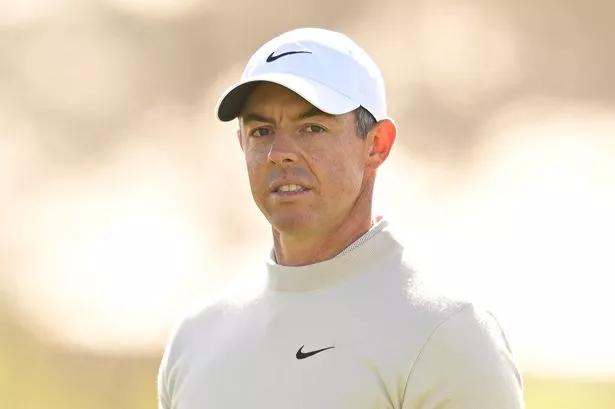
An Exclusive Insight Into McIlroy’s Decision to Reach Out
In a surprising turn of events, Rory McIlroy decided to connect with veteran golf analyst, providing an insight into his motivations and feelings behind his on-air comments. McIlroy reached out to discuss the context of his recent remarks, expressing regret if they were perceived as overly harsh or misinterpreted. The golfer emphasized his commitment to fostering a constructive dialogue within the sport, notably regarding the importance of accountability and professionalism among players and commentators alike. A source close to McIlroy revealed the following key points from their conversation:
- Clarification: McIlroy aimed to clarify his stance and further explain his criticisms.
- Intent: He wanted to convey that his remarks were not personal but rather part of a broader conversation about the sport.
- Engagement: The outreach signifies his willingness to engage with the media more constructively.
As the conversation unfolded, it highlighted McIlroy’s awareness of the powerful platform he possesses and his desire to use it wisely. his outreach is seen as a move to bridge gaps between players and analysts, promoting a culture of transparency rather then animosity. many within the golfing community are hopeful that this interaction will led to more respectful discussions and understanding between the athletes and the media. Observers are already speculating how this might influence future communications, with expectations of a more collaborative approach to criticism and feedback:
| Topic | Insight |
|---|---|
| Motivation | Desire for constructive dialogue |
| Media Relations | Striving for mutual respect |
| Future impact | Potential shift in media dynamics |

The Impact of Public Discourse on Athlete-Critic Relations
In an unexpected turn of events, Rory McIlroy has reached out to a sports analyst following a tense on-air moment that captured widespread attention. The analyst had made pointed comments during a live broadcast regarding McIlroy’s recent performance, sparking a heated exchange on social media.This interaction highlights the delicate balance between athletes and critics,where public opinions can heavily influence personal relationships and professional reputations. Critics play a crucial role in shaping public perception,and their comments can resonate with fans,often leading to scrutiny or adulation for the athletes involved.
McIlroy’s proactive approach to addressing the remarks made by the analyst suggests a willingness to engage more openly with criticism rather than resorting to defensive measures. This incident underscores several key factors in the ongoing discourse between sports figures and their commentators:
- Transparency: athletes who openly communicate about critiques can foster better understanding with fans.
- Respect: Acknowledging differing opinions from analysts can lead to increased mutual respect.
- Accountability: Engaging with public discourse encourages a culture of accountability on both sides.
The outcome of this interaction may set a precedent for how athletes navigate the complex landscape of media criticism, emphasizing a more collaborative, rather than adversarial, relationship.
Recommendations for Athletes on Managing Media Interactions
In light of recent events, it is indeed essential for athletes to adopt strategies that will facilitate more effective interactions with the media. Readiness is crucial; athletes should familiarize themselves with potential questions and understand how to articulate their perspectives clearly. Moreover, it is advisable to have a media training session to help refine communication skills and ensure that messages are conveyed confidently. Establishing a clear communication strategy can definitely help athletes navigate tricky situations and reinforce their public image.
additionally, maintaining a positive relationship with media representatives can yield favorable outcomes. Athletes ought to consider the importance of timeliness in responding to inquiries, as delays can lead to misunderstandings or negative portrayals. They should also remember to express gratitude after interactions,which can foster goodwill. Engaging in proactive media outreach, like sharing insights and updates in a transparent manner, is another beneficial approach. This not only helps in shaping their narrative but also in cultivating a respectful rapport with journalists.
In Retrospect
In the wake of a controversial on-air rant, Rory McIlroy’s outreach to the analyst underscores the golfer’s willingness to engage with criticism and foster dialogue within the sports community. This unexpected communication not only reflects McIlroy’s commitment to personal growth but also highlights the intricacies of public discourse in the world of professional sports. As the story continues to unfold, both fans and analysts will be closely watching how this interaction influences McIlroy’s future performances and interactions within the professional golf circuit.

