
Introduction:
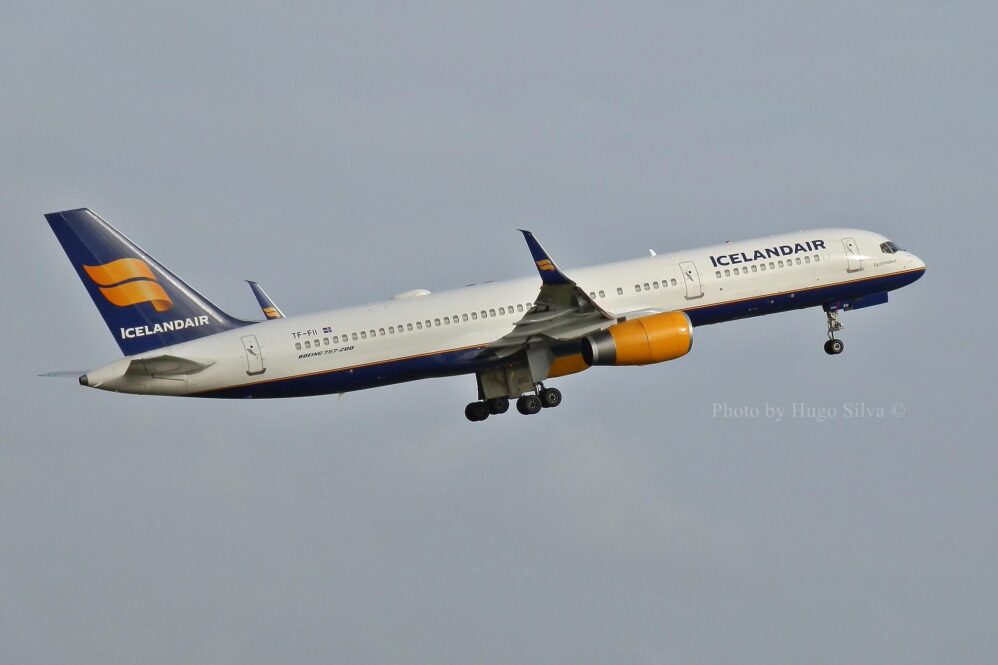
Icelandair has officially entered a new chapter in its storied history with the launch of its inaugural revenue service utilizing the Airbus fleet. This momentous flight marks a notable shift for the airline, traditionally known for its Boeing aircraft, as it embraces the modern capabilities and efficiencies offered by Airbus technology.The decision to diversify its fleet not only enhances operational flexibility but also aligns with the airline’s commitment to sustainability and passenger comfort. As Icelandair takes to the skies with its new Airbus aircraft, the airline sets the stage for an exciting future in air travel, promising travelers a fresh experience filled with innovation and reliability.
Icelandair’s Strategic Shift: Embracing Airbus for Enhanced Service
Icelandair has officially entered a new chapter in its operational history with the introduction of its first Airbus aircraft, marking a significant shift in service strategy. This strategic move aims to modernize their fleet and enhance passenger experience,as the airline seeks to differentiate itself in a competitive market. The inaugural revenue service of the Airbus A321neo is not just a mere addition to the fleet; it symbolizes Icelandair’s commitment to improving efficiency and sustainability.
With the A321neo, Icelandair is set to benefit from advanced fuel efficiency and reduced carbon emissions, aligning with the global aviation industry’s push towards greener practices.The aircraft boasts a number of innovative features designed for passenger comfort, including improved cabin pressure, quieter engines, and enhanced in-flight entertainment options.This shift comes amidst a broader industry trend where airlines are increasingly opting for modern aircraft to meet the evolving needs of travelers.
As Icelandair embarks on this transformative journey, it plans to bolster its transatlantic services while maintaining strong connections to its domestic routes. The focus on the Airbus fleet will allow the airline to offer a more robust travel experience, highlighting its dedication to both customer satisfaction and environmental stewardship. Customers can anticipate an elevated level of service as the airline integrates these cutting-edge aircraft into its operations,promising a fresh take on air travel between Iceland and various international destinations.
Operational Insights: The Impact of Airbus on Icelandair’s Fleet Efficiency
Icelandair is set to embark on a transformative journey with the introduction of its first Airbus aircraft into revenue service. This marks not only a significant milestone for the airline but also highlights the anticipated improvements in fleet efficiency. The Airbus addition is expected to enhance operational performance through advanced aerodynamics and state-of-the-art engine technology, contributing to reduced fuel consumption and emissions.
- Improved Fuel Efficiency: The new Airbus model boasts a fuel efficiency increase of approximately 15%, translating to substantial cost savings over the lifetime of the aircraft.
- Increased Range: Enhanced range capabilities enable icelandair to explore new long-haul routes, thereby expanding their global reach.
- Passenger Comfort: Modern cabin features and quieter engines are anticipated to elevate the overall travel experience for passengers.
This strategic move has been long awaited by industry analysts and frequent flyers alike. With the Airbus fleet, Icelandair is not merely upgrading its aircraft but is also redefining its operational model to align with the latest innovations in air travel. By leveraging these advancements, Icelandair aims to position itself competitively in the rapidly evolving aviation market while committing to sustainability and improved travel standards.
Future Flights: Recommendations for Maximizing Revenue with the New Aircraft
With the introduction of Icelandair’s inaugural Airbus aircraft, airlines are facing a pivotal chance to enhance their service offerings and maximize revenue. Investing in advanced technology will streamline operations, from check-in to in-flight services, ensuring a more efficient, user-pleasant experience that passengers have come to expect. Leveraging these new systems can significantly reduce operational costs while boosting passenger satisfaction.
Flexible pricing strategies are key to optimizing revenue with the new aircraft. Implementing dynamic pricing models allows Icelandair to adjust fares based on demand, competitor pricing, and seasonal trends. Alongside this, introducing loyalty programs that reward frequent flyers and early bookings can help to secure a steady customer base. Clear communication of these offerings can also encourage passengers to choose Icelandair over competitors.
Additionally, enhancing the in-flight experience will be crucial in attracting and retaining passengers.Offering modern amenities such as Wi-Fi, improved meal services, and personalized entertainment options can create a more enjoyable journey. Investing in market research to understand customer preferences will help tailor the onboard experience to meet their expectations, thereby increasing the likelihood of repeat business. Below is a simple table outlining potential enhancements with associated benefits:
| Enhancement | Benefit |
|---|---|
| In-flight Wi-Fi | Improves passenger satisfaction and allows business travelers to work. |
| Personalized Entertainment | Enhances the overall travel experience, leading to positive reviews. |
| Upgraded Meal Options | Attracts high-value customers seeking premium experiences. |
in Retrospect
the launch of Icelandair’s inaugural revenue service on its first-ever Airbus marks a significant milestone for the airline, heralding a new era of innovation and growth. This pivotal moment not only enhances icelandair’s competitive edge in the global aviation market but also reflects its commitment to modernizing its fleet for improved efficiency and passenger experience. As the airline embarks on this exciting journey, stakeholders and passengers alike can look forward to a future filled with enhanced connectivity and service excellence. With its eyes set on expansion, Icelandair is poised to navigate the skies with renewed vigor, shaping the future of air travel in Iceland and beyond.


