

Introduction:
In recent years, blockchain technology has emerged as a transformative force, reshaping various sectors from finance to supply chain management. Characterized by its decentralized and immutable nature, blockchain offers a robust framework for secure transactions and data integrity. As organizations and individuals increasingly seek to understand the potential implications of this technology, it becomes essential to dissect its foundational elements. This listicle presents 5 key features of blockchain technology, providing readers with a comprehensive overview of its defining characteristics. By delving into these essential aspects, readers can expect to gain insights into how blockchain ensures transparency, enhances security, facilitates decentralized operations, enables smart contracts, and fosters trust among users. This exploration not only aims to clarify the complexities of blockchain but also to illustrate its potential to revolutionize traditional systems, paving the way for innovative applications in the digital age.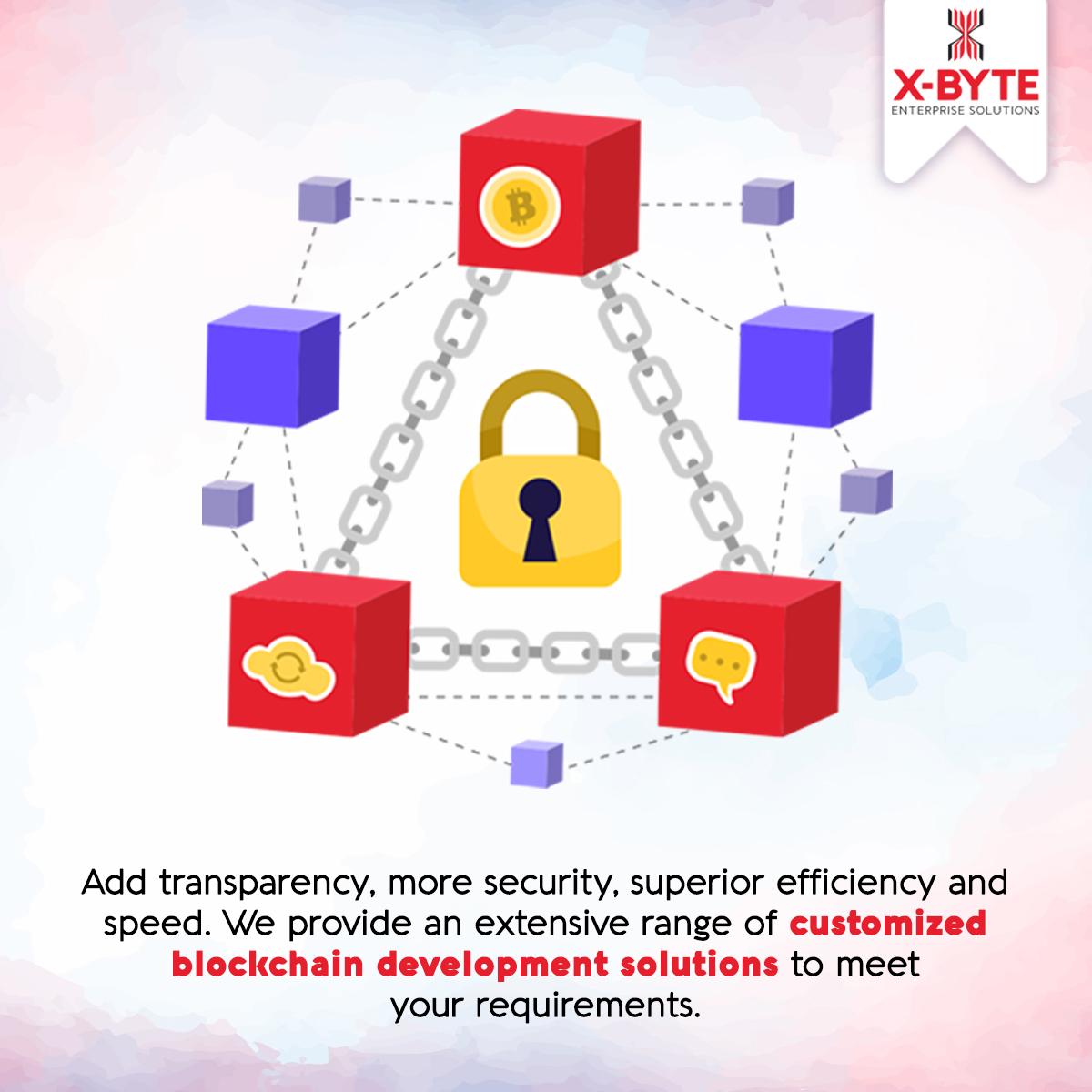
1) Decentralization: One of the most significant features of blockchain technology is its decentralization. Unlike traditional centralized systems where a single entity maintains control, blockchain operates on a distributed network of computers, or nodes. This structure enhances security and minimizes the risk of a single point of failure since all participants have access to the shared ledger, ensuring transparency and fostering trust among users
The hallmark of blockchain technology lies in its fundamentally decentralized architecture, which contrasts sharply with traditional centralized systems. In these conventional setups, a single organization or authority holds dominion over data management and transaction verification. However, blockchain democratizes control by distributing data across a multitude of nodes, creating a comprehensive and transparent framework. This decentralized mechanism not only enhances operational security but also significantly improves the integrity of data through collective consensus among participants.
One of the primary benefits derived from this architecture is the mitigation of risks associated with a single point of failure. Since the ledger is replicated across various nodes, the loss or failure of one node does not compromise the entire system. This redundancy ensures that data remains intact and accessible, thereby reinforcing trust among users. Furthermore, this distribution of control naturally leads to greater resilience, allowing the network to withstand external attacks and internal malfunctions, traits that are critical in today’s digital landscape.
Moreover, the transparency fostered by a decentralized structure cultivates user confidence. All participants have access to the shared ledger, which allows for the verification of transactions without relying on a central authority. This accountability encourages stakeholders to act honestly, knowing their actions are visible to the network as a whole. The table below summarizes the benefits of decentralization in blockchain technology:
| Benefit | Description |
|---|---|
| Enhanced Security | Reduces vulnerabilities associated with centralized control. |
| Improved Data Integrity | Collective consensus reinforces accuracy and reliability of data. |
| Increased Trust | Transparency enables users to verify transactions independently. |
2) Immutability: The immutability of blockchain records is a critical feature that distinguishes it from conventional data storage methods. Once a transaction is confirmed and added to the blockchain, it cannot be altered or deleted without the consensus of the network. This characteristic ensures the integrity of the data and provides a permanent audit trail, making it invaluable for applications that require reliable record-keeping
The feature of immutability in blockchain technology addresses a fundamental concern in data integrity and security. In traditional databases, records can often be modified or erased, which can lead to discrepancies, unauthorized alterations, and a lack of accountability. In contrast, once a transaction is validated and added to a blockchain, it is timestamped and linked to the previous entry, forming a permanent chain of records that cannot be tampered with. This aspect cultivates a high degree of trust among users, as they can be assured that the data they are viewing is accurate and unaltered.
The implications of this immutability extend beyond mere data storage; they are particularly salient in sectors requiring rigorous audit trails. For instance, in finance, the ability to trace transactions back to their origins without the risk of manipulation is invaluable. Organizations can confidently track the flow of funds, ensuring compliance with regulatory mandates and instilling confidence among stakeholders. Applications in supply chain management further enhance this reliability, as every transaction related to a product can be verified and traced throughout its lifecycle, reducing fraud and errors.
To illustrate this concept, consider the following table that outlines key benefits derived from the immutability of blockchain records:
| Benefit | Description |
|---|---|
| Data Integrity | Ensures that once data is recorded, it cannot be altered, thus maintaining accuracy. |
| Accountability | Each stakeholder can trace transactions, creating a clear path of responsibility. |
| Fraud Reduction | The irreversible nature of transactions minimizes opportunities for deceptive practices. |
3) Transparency: Transparency is inherent in blockchain technology due to its public or permissioned nature. All transactions executed on the blockchain are visible to participants, facilitating accountability and traceability. This openness not only helps in building trust among users but also enables easier compliance with regulatory requirements, as stakeholders can monitor transaction flows and verify information independently
Blockchain technology is characterized by its inherent transparency, which stems from its public or permissioned structure. Each transaction recorded on a blockchain is visible to all participants within the network. This aspect of blockchain significantly enhances accountability, as every user has the capacity to review transaction histories. The ability to trace the flow of assets and verify transactions is a pivotal attribute that differentiates blockchain from traditional record-keeping systems.
The transparency afforded by blockchain fosters a culture of trust among users, as stakeholders can independently access and verify transaction details without requiring intermediaries. This democratization of information reduces the likelihood of fraudulent activities and ensures that all parties are held accountable for their actions on the network. As such, transparency not only empowers users but also mitigates the risks associated with opaque systems where information is controlled by a select few.
Moreover, this quality of openness is particularly advantageous for organizations striving to comply with regulatory standards. Regulatory bodies often mandate traceability and accessibility as key components of their oversight. Blockchain’s transparent nature allows stakeholders to monitor transaction flows seamlessly, providing a verifiable audit trail. The following table illustrates key aspects of transparency within blockchain technology:
| Aspect | Description |
|---|---|
| Visibility | All transactions are visible to network participants. |
| Accountability | Participants can verify and ensure accountability for actions. |
| Independent verification | Users can independently verify information, reducing reliance on intermediaries. |
| Regulatory compliance | Facilitates compliance with laws and regulations through traceability. |
To Conclude
the exploration of blockchain technology’s fundamental features reveals its transformative potential across various sectors. By dissecting its decentralization, transparency, security, immutability, and programmability, we gain crucial insights into how blockchain not only enhances transactional efficiency but also fosters trust among users. As industries continue to experiment with and implement blockchain solutions, understanding these core attributes will be vital for policymakers, technologists, and businesses alike. As the world increasingly turns its attention towards innovative technologies, the evolution of blockchain stands at the forefront, poised to redefine the future of digital interaction and economic exchanges. The implications of these features extend beyond mere technological advancements, echoing through societal, legal, and economic paradigms, emphasizing the need for ongoing discourse and research in this dynamic field.
