
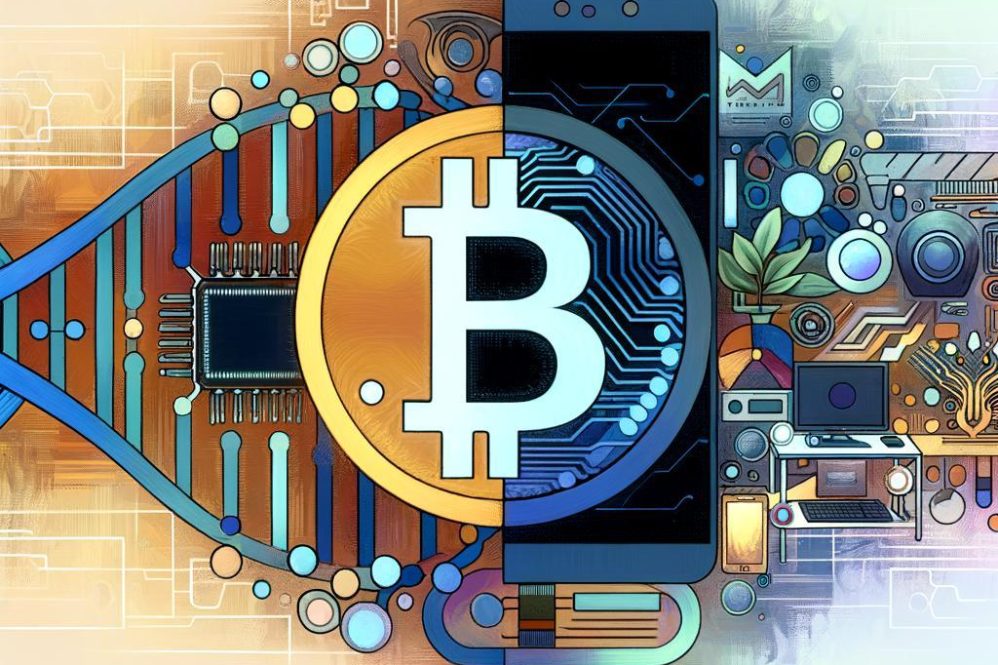
In the ever-evolving landscape of cryptocurrency, selecting the right wallet is crucial for safeguarding your digital assets.Bitcoin Hardware Wallets and Mobile Wallets have emerged as two of the most popular means for storing cryptocurrencies, each boasting its own unique features and benefits. In our listicle, “4 Insights on Bitcoin Hardware Wallets vs. Mobile Wallets,” we will delve into four key distinctions between these wallet types: security, accessibility, usability, and storage capacity. By the end of this article, readers will have a clearer understanding of which wallet aligns best with their cryptocurrency management needs, ultimately empowering them to make informed choices in securing their investments. Whether you’re a seasoned trader or a newcomer to the crypto space, this guide will provide the insights necessary to navigate the wallet options available today.
1) Security: one of the primary advantages of hardware wallets is their enhanced security features. Unlike mobile wallets, which are susceptible to malware and phishing attacks, hardware wallets store private keys offline, significantly reducing the risk of unauthorized access to your Bitcoin
When it comes to securing Bitcoin, hardware wallets offer a substantial edge due to their superior security features. Unlike mobile wallets, which operate online and are thus vulnerable to various cyber threats, hardware wallets keep your private keys stored in a secure offline surroundings. This physical isolation is critical as it minimizes exposure to malware and phishing attacks, which are prevalent in mobile environments.
Additional layers of protection found in hardware wallets further enhance security. Many devices employ multi-factor authentication and strong encryption methodologies to safeguard access. Moreover, the use of a personal PIN and recovery seed adds another barrier against unauthorized access, ensuring that even if your device were lost or stolen, your funds remain protected. Here are some key security features:
- offline storage: Private keys are never exposed to the internet.
- Encryption: Data is encrypted, making it incomprehensible to unauthorized users.
- Firmware authenticity: Regular updates frequently enough include security enhancements to protect against new threats.
This complete security architecture renders hardware wallets far less susceptible to the dangers that plague mobile wallets. In any discussion about cryptocurrency investment, prioritizing security cannot be overstated. By embracing this technology, investors can maintain a greater degree of control over their assets while significantly reducing their vulnerability to cyber threats in an increasingly opposed digital landscape.
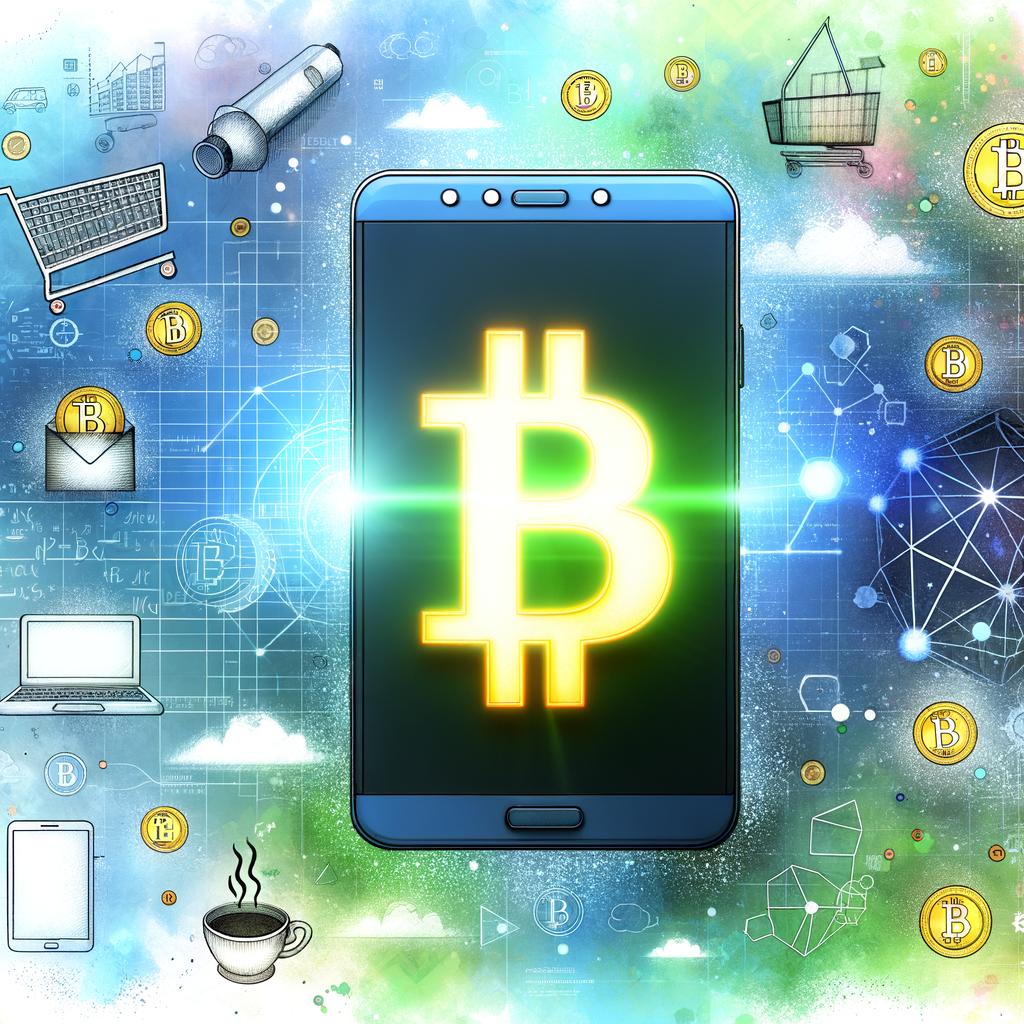
2) Accessibility: Mobile wallets offer unparalleled convenience, allowing users to store and manage their Bitcoin directly on their smartphones. This accessibility means that users can quickly send and receive Bitcoin on the go, making mobile wallets an ideal choice for everyday transactions
Mobile wallets are revolutionizing how individuals interact with cryptocurrencies by offering an exceptional level of convenience. Users can seamlessly download these applications on their smartphones, allowing them to store bitcoin and manage their accounts anytime, anywhere. This accessibility is especially vital for those who wish to engage in real-time transactions, as it supports a dynamic approach to conducting business.
Furthermore, the user-kind interfaces of mobile wallets make navigating through various options straightforward. Features such as QR code scanning facilitate rapid transactions, enabling users to send and receive Bitcoin with just a few taps on their screens. This straightforwardness not only enhances user experience but also encourages wider adoption among users who might potentially be hesitant to delve into more complex systems.
In addition to convenience, mobile wallets often come with integrated services that further enhance their utility.As a notable example, many apps provide real-time market data, allowing users to track the value of their holdings while on the go. Consider the following benefits:
| Feature | Benefits |
|---|---|
| Instant Notifications | Stay updated on market movements and transaction confirmations. |
| In-App Exchange Options | Easily swap Bitcoin for othre cryptocurrencies without leaving the app. |
| User Support | Access help and FAQs directly within the app for a hassle-free experience. |
To Conclude
the choice between Bitcoin hardware wallets and mobile wallets ultimately hinges on individual needs and preferences. Hardware wallets stand out for their superior security and durability, making them ideal for long-term storage and serious investors looking to safeguard their assets against potential threats. On the other hand,mobile wallets offer unmatched convenience and ease of use,catering to those who prioritize quick access and daily transactions.
As the cryptocurrency landscape continues to evolve, understanding these distinctions will empower you to make informed decisions that align with your financial goals and risk tolerance. Whether you value the robust protection of a hardware wallet or the accessibility of a mobile wallet, both options play a crucial role in managing your digital assets effectively. Choose wisely, and stay informed as you navigate the ever-changing world of cryptocurrency.