
In a world where money can be printed at the stroke of a keyboard, understanding fiat currency is no longer optional-it’s essential. This article breaks the concept down into 4 key facts that explain what fiat currency is, how it works, and why it dominates the global financial system.
Across these four points, you’ll learn what distinguishes fiat money from gold-backed or commodity currencies, why its value depends on government authority and public trust, how central banks use it to steer economies, and what risks and advantages come with a system based on decree rather than metal. By the end, you’ll have a clearer grasp of the money in your wallet, the policies that shape it, and the vulnerabilities built into the modern monetary order.
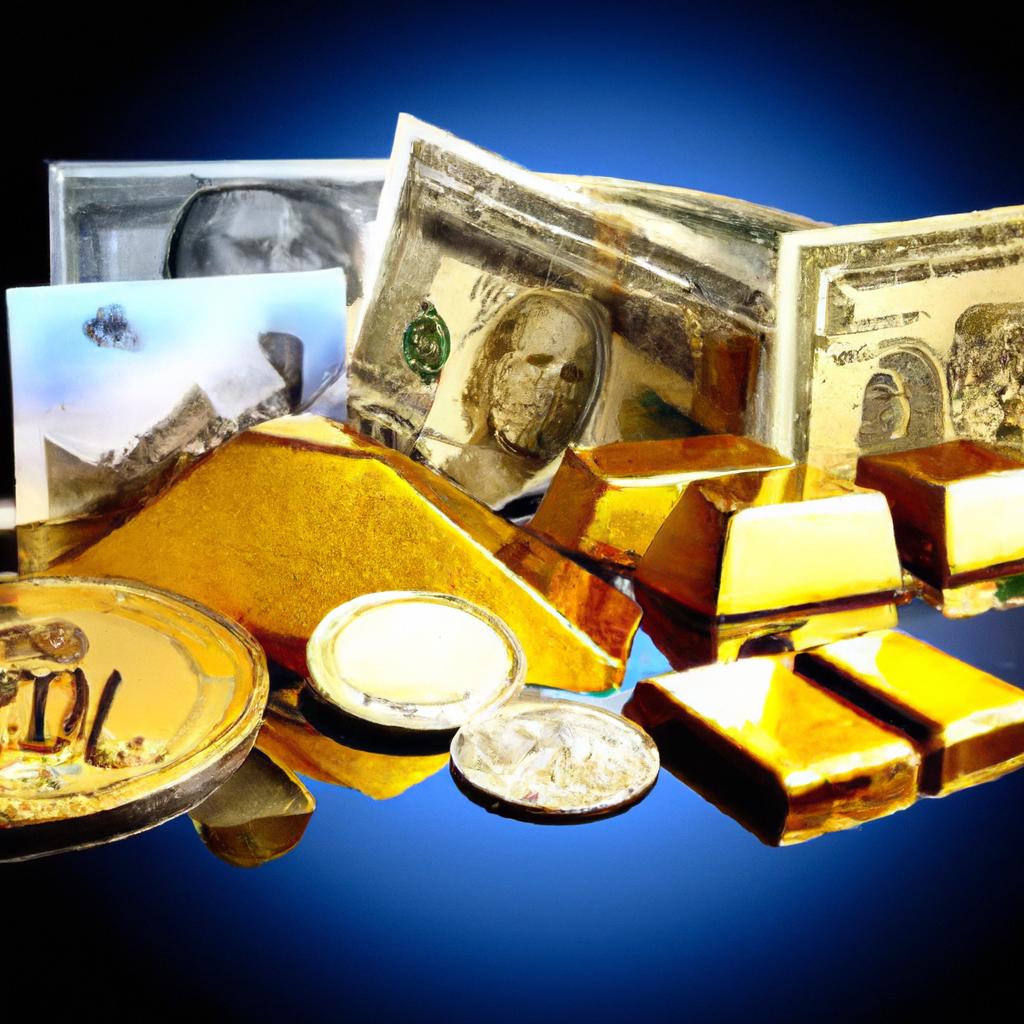
1) Fiat currency is money that has value because a government declares it legal tender, not because it is backed by a physical commodity like gold or silver
In a modern economy, paper notes and digital balances in your bank account are accepted in everyday transactions not because they can be redeemed for a fixed amount of gold, but because the state says they must be. This government mandate-known as legal tender status-compels creditors to accept the currency for the settlement of debts within that jurisdiction. The value, thus, is grounded in collective trust: trust that others will accept the same money tomorrow, and trust that the issuing authority will protect its stability thru sound monetary and fiscal policy.
Unlike past monetary systems where each unit of currency represented a claim on a physical reserve, today’s national monies are free-floating instruments whose worth is shaped by policy decisions and market confidence. Their robustness is influenced by factors such as:
- Central bank credibility and independence
- Inflation control and price stability
- Political stability and rule of law
- Economic performance and growth prospects
| Type | What Backs It? | Key Dependence |
|---|---|---|
| Gold-backed money | Fixed quantity of gold | Metal reserves |
| Fiat money | Government decree & trust | Policy & confidence |
2) Modern economies rely on fiat money so central banks can control the money supply, set interest rates, and respond quickly to financial crises and recessions
under a fiat system, money is no longer shackled to a fixed quantity of gold or silver, so central banks can expand or contract the money supply as conditions change. When growth slows or a shock hits-say, a banking panic or a pandemic-monetary authorities can inject liquidity into the system, buy government bonds, or lend directly to financial institutions. This flexibility is not abstract; it allows governments and central banks to act within days or even hours, rather than waiting for new gold discoveries or painful deflation to “self-correct” the economy.
- Money supply tools: open market operations, reserve requirements, and lending facilities.
- interest rate tools: policy rates, forward guidance, and rate corridors.
- Stability tools: emergency lending, quantitative easing, and currency swap lines.
| Scenario | Central Bank Move | Goal |
|---|---|---|
| Deep recession | Cut policy rate, expand money supply | Boost borrowing and spending |
| Banking crisis | Emergency loans, asset purchases | Prevent failures and panic |
| High inflation | Raise rates, slow money growth | Cool demand and prices |
This ability to fine-tune credit conditions makes fiat currency the backbone of modern macroeconomic management. By adjusting interest rates and money creation, central banks can influence everything from mortgage costs to business investment. In practice, that means they can lean against bubbles, soften downturns, and coordinate with fiscal authorities during emergencies. Critics worry this power can be abused, but supporters argue that, in a world of globalized finance and rapid capital flows, a flexible, state-backed currency is the only realistic way to keep complex economies from spinning out of control.
3) The value of fiat currency depends heavily on public trust in the issuing government and central bank, and also the stability and performance of the underlying economy
Unlike gold or other commodities, modern money holds value because people collectively believe the institutions behind it will honor that value tomorrow, next year, and decades from now. When citizens and global investors trust a government to manage debt responsibly and a central bank to keep inflation in check, demand for that currency strengthens. Lose that confidence-through political turmoil, runaway money printing, or opaque policymaking-and the same pieces of paper can rapidly become less desirable, both at home and abroad.
Public confidence is shaped by how governments and central banks respond to shocks such as financial crises, wars, and pandemics. Transparent communication, clear policy frameworks, and predictable decision-making help build a sense of reliability. Observers frequently enough watch for signals like:
- Consistent inflation targets and credible efforts to meet them
- Independent central banking free from short-term political pressure
- Stable legal and regulatory systems that protect contracts and property
- Orderly public finances, with debt levels that appear enduring
| Signal | Impact on Trust |
|---|---|
| Low, stable inflation | Boosts confidence in savings and wages |
| Political instability | Raises concern about future currency value |
| Strong economic growth | Supports long-term demand for the currency |
| Capital controls | Signals stress and can erode credibility |
As trust is so central, the performance of the broader economy feeds directly into a currency’s strength. Robust growth, high employment, and sound banking systems tend to attract foreign capital and reinforce the perception that the currency will hold its value. conversely, when economies slide into deep recession or hyperinflation, people often seek alternatives-other national currencies, commodities, or digital assets-highlighting how quickly the perceived value of fiat money can shift when confidence in the state and its institutions begins to crack.
4) While fiat systems allow flexible monetary policy, they also carry risks such as inflation, currency devaluation, and loss of confidence when governments mismanage fiscal and monetary tools
Because fiat money is not tied to a physical commodity, it gives central banks and governments meaningful room to maneuver. They can cut interest rates in a recession, buy financial assets through quantitative easing, or inject liquidity into frozen credit markets. These tools can stabilize economies and prevent financial panics, but they also concentrate power in a relatively small group of policymakers whose assumptions and incentives may not always align with long‑term stability.
When this flexibility is pushed to far, the downsides emerge. Rapid expansion of the money supply or large, persistent budget deficits can translate into higher inflation, a weaker currency, and, in extreme cases, a full‑blown loss of trust in the money itself. History offers repeated examples: from the German mark in the 1920s to more recent crises in countries facing spiraling prices and empty store shelves.In each case, the tipping point came when people started to doubt that policymakers could or would restore discipline.
For citizens, the practical impact is felt not in policy papers but in day‑to‑day costs and savings. Key vulnerabilities include:
- Silent erosion of savings as inflation outpaces wage growth and interest on deposits.
- Exchange‑rate shocks that make imports,foreign tuition,or travel suddenly more expensive.
- Flight to alternatives such as gold, foreign currencies, or digital assets when confidence wanes.
| Risk | Policy Trigger | Everyday Effect |
|---|---|---|
| Inflation | Excess money printing | Rising grocery and rent prices |
| Currency devaluation | Lose fiscal discipline | More expensive imports |
| Loss of confidence | Policy U‑turns, crises | Shift into hard assets |
Q&A
What Does “Fiat Currency” Actually Mean?
Fiat currency is money that has value primarily because a government declares it legal tender and people trust that others will accept it in exchange for goods and services. Unlike gold or silver coins, it is not backed by a physical commodity. Its worth is rooted in:
- Government decree: The state designates it as the official currency and requires its acceptance for taxes and public debts.
- Public confidence: People accept it because they believe others will do the same tomorrow, and that the issuing authority will maintain relative stability.
- Network effects: The more individuals and businesses use a currency, the more entrenched and valuable it becomes in everyday transactions.
In practice, this means a U.S. dollar, euro, or yen has no intrinsic value in the way a commodity does. A paper banknote or a digital balance in your bank account represents a claim on future goods and services only as long as the system that issues and regulates it remains credible.
How Is Fiat Currency Different from Commodity Money and Gold Standards?
Fiat currency stands in contrast to earlier forms of money that derived value from their own material or from being redeemable for a commodity. Key differences include:
- Backing:
- Commodity money: Coins made of gold, silver, or other valuable metals are worth roughly the value of the metal itself.
- Gold standard: Banknotes are redeemable for a fixed amount of gold held in reserve; their value is tied to that commodity.
- Fiat currency: Not redeemable for a specific commodity; backed by the “full faith and credit” of the issuing government.
- Supply controls:
- Under a gold standard, money supply is constrained by gold reserves, limiting how fast governments and central banks can expand it.
- With fiat money, authorities can adjust supply more freely via monetary policy, without needing additional gold or other commodities.
- Price stability risks:
- Commodity-linked systems are less flexible but can impose longer-term discipline on inflation.
- Fiat systems offer flexibility but also carry a greater risk of mismanagement, which can lead to inflation or hyperinflation if confidence erodes.
This shift from commodity backing to fiat systems marks one of the most significant changes in modern economic history, granting governments and central banks far greater control over their economies-along with greater responsibility.
Why Do modern Economies Rely on Fiat Currency?
Today, nearly all countries operate on fiat currencies because they offer crucial advantages for complex, globalized economies. They enable:
- Flexible monetary policy: Central banks can:
- Lower or raise interest rates to influence borrowing,spending,and saving.
- Expand or contract the money supply to respond to recessions, financial crises, or overheating economies.
- Act as a “lender of last resort” during banking panics, supplying liquidity when private lenders step back.
- Support for economic growth and employment: With more control over money and credit, policymakers can design tools to:
- Counteract sharp downturns through stimulus measures.
- Smooth out business cycles and reduce unemployment volatility.
- Efficient financial systems: Fiat money underpins:
- Modern banking and payments infrastructure.
- Large-scale government debt markets (bonds) used to fund public spending.
- Global trade and investment, since most cross-border transactions are denominated in major fiat currencies like the U.S.dollar and the euro.
These features help explain why, despite theoretical alternatives such as gold or cryptocurrencies, governments and central banks overwhelmingly favor fiat systems for managing large, interconnected economies.
What Are the Main Risks and criticisms of Fiat Currency?
While fiat money is the global standard, it is not without controversy. Critics point to several vulnerabilities inherent in a system based on trust and policy decisions:
- Inflation and loss of purchasing power:
- If central banks and governments expand the money supply too aggressively, prices can rise faster than incomes.
- Over long periods, even moderate inflation erodes the value of savings held in cash or low-yield accounts.
- Risk of hyperinflation:
- In extreme cases-frequently enough linked to political turmoil, war, or fiscal collapse-confidence in a currency can break down entirely.
- Historical episodes in countries like Zimbabwe and Weimar Germany illustrate how fiat money can become nearly worthless when trust is lost.
- Political and institutional dependence:
- Fiat currency requires credible,relatively independent central banks and stable governments.
- Political pressure to finance deficits by creating money can undermine that credibility and trigger inflation.
- Wealth distribution effects:
- Changes in interest rates and money supply can benefit some groups (e.g., borrowers, asset holders) more than others (e.g., wage earners, savers).
- This has fueled debates about whether fiat-based monetary policy exacerbates inequality.
Supporters argue that strong institutions, transparent central banks, and prudent fiscal policy can mitigate these risks. Critics counter that the very design of fiat systems makes them prone to over-expansion and financial bubbles. The tension between flexibility and discipline remains at the core of ongoing debates over the future of money.
Wrapping Up
those four facts point to a single, critical reality: fiat currency is less about what money is made of and more about the system that stands behind it. Its value rests on government authority, central bank policy, and-above all-public confidence.As debates over inflation, digital assets, and monetary policy intensify, understanding how fiat money works is no longer just an academic concern. It shapes interest rates, influences your cost of living, and underpins the stability of the global financial system.
Whether fiat currency ultimately evolves, coexists with new forms of money, or is fundamentally challenged, the rules that govern it today will continue to affect everything from your savings account to international markets. Knowing how and why this kind of money holds value is a first step toward navigating an economy built almost entirely on trust.


