

4 Key Factors for Choosing Bitcoin Wallets: Hardware, Software, Paper
As the popularity of Bitcoin continues to surge, so does the need for secure storage solutions for your digital assets. In this listicle, we delve into four key factors to consider when choosing a Bitcoin wallet: hardware, software, and paper options. Whether you’re a newcomer to cryptocurrency or a seasoned investor,understanding the strengths and weaknesses of each wallet type is essential for safeguarding your investments. From the robust security features of hardware wallets to the convenience of software options and the simplicity of paper wallets, this article will equip you with the knowledge to make informed decisions about your crypto security. By the end, you’ll be better prepared to select the wallet that best fits your lifestyle and investment strategy.
1) Security Level: One of the most critical factors to consider when choosing a Bitcoin wallet is the level of security it offers. Hardware wallets are generally regarded as the most secure option, as they store private keys offline, making them less susceptible to cyberattacks. In contrast, software wallets, especially those connected to the internet, present a higher risk, while paper wallets can also be vulnerable if not stored properly
When it comes to safeguarding your Bitcoin, security should be your top priority. Hardware wallets are widely considered the safest choice for holding cryptocurrencies. These devices store your private keys offline, effectively shielding them from online threats such as hacking and phishing. By keeping essential data away from the internet, hardware wallets considerably reduce the risk of unauthorized access, making them ideal for long-term investment and large sums of cryptocurrency.
On the other hand, software wallets, which frequently enough operate on smartphones or computers, are more vulnerable to cyberattacks. Especially those that are always connected to the internet pose a greater risk, as malware or other malicious software can exploit vulnerabilities in your device to access sensitive information. Users must be vigilant about updates and security protocols, as failing to secure these wallets could lead to important losses.
Paper wallets can offer a unique alternative, as they consist of physical printouts of your Bitcoin address and private key. While they are immune to online hacking, their security heavily depends on how and where they are stored. If a paper wallet gets damaged, lost, or falls into the wrong hands, the stored assets could be irretrievable. Consequently, users must exercise caution with paper wallets, ensuring they are kept in a safe and secure location, away from environmental hazards and prying eyes.
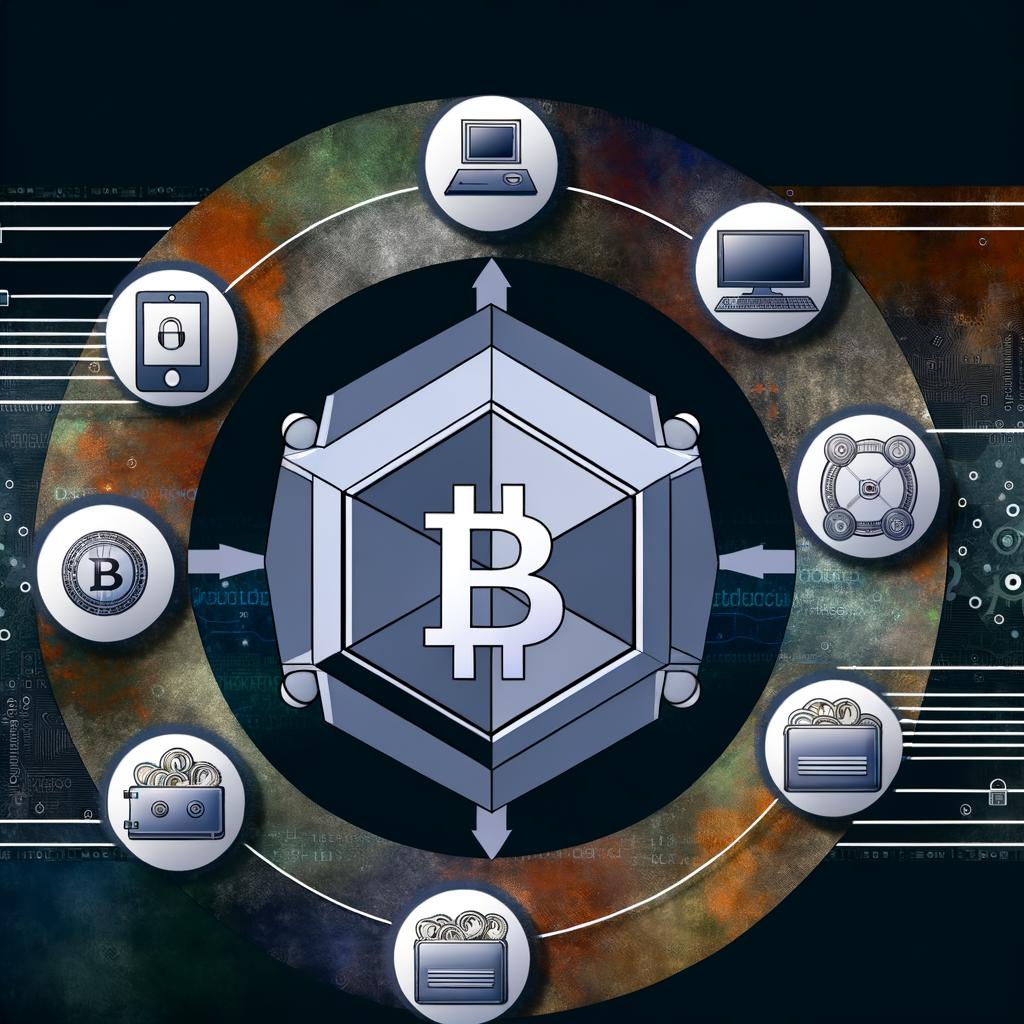
2) Accessibility and usability: The ease of use is essential for any Bitcoin wallet. Hardware wallets might potentially be more secure but can require a learning curve for new users. Software wallets typically offer greater convenience and a user-friendly interface, making them easier for regular transactions.Paper wallets, while secure from online threats, can be cumbersome to use for frequent transactions
when evaluating Bitcoin wallets, accessibility and usability play pivotal roles in the decision-making process. hardware wallets, while renowned for their high security, frequently enough demand a level of technical proficiency that may deter novices. The setup process can be intricate, requiring users to navigate various configurations and protocols. For those unaccustomed to technology, the learning curve can be steep, transforming what should be a straightforward task into a potentially frustrating experience.
In contrast, software wallets shine in the realm of user-friendliness. Many offer intuitive interfaces designed for everyday transactions, allowing users to send and receive bitcoin with just a few clicks. This simplicity not only appeals to the tech-savvy but also empowers individuals less familiar with digital currencies. Moreover, popular software wallets often feature additional functionalities such as transaction history and real-time balance updates, enhancing the overall user experience.
Paper wallets present a unique case in this accessibility equation. Though they excel in protecting assets from online threats, their physical format can impede frequent usage. To conduct transactions, users must manually input cryptographic keys, which can be tedious and error-prone. For those who engage with Bitcoin regularly, this cumbersome process may outweigh the benefits of heightened security. A careful balance between security and convenience is essential for optimal usability.
Insights and Conclusions
selecting the right Bitcoin wallet is crucial for safeguarding your digital assets in an increasingly complex cryptocurrency landscape. Each wallet type-hardware,software,and paper-offers distinct advantages and challenges. Hardware wallets provide robust security against online threats, making them ideal for long-term investors. Software wallets, simultaneously occurring, offer convenience and accessibility, catering to those who prioritize ease of use. Paper wallets serve as a low-tech alternative, perfect for securely storing bitcoin offline, but require careful handling to avoid physical damage or loss.
as you navigate your choices, remember that understanding the specific needs and risks associated with each wallet type can empower you to make informed decisions. Stay vigilant and implement best practices in crypto security to enhance the protection of your valuable assets. Discover more insights and expert tips to help you maximize your cryptocurrency experience by exploring our detailed guide.

