
Introduction
As cryptocurrency continues to gain traction, understanding the best ways to store and manage yoru digital assets is crucial. In this listicle, “4 Factors to Consider: Bitcoin Hardware vs. Mobile Wallets,” we will delve into key distinctions that can influence your decision on how to secure your Bitcoin holdings. With a focus on four essential factors-security, ease of use, cost, and accessibility-this article will equip you with the vital knowledge needed to make an informed choice. Whether you’re a seasoned investor or just starting in the world of cryptocurrency, you’ll gain insights that can help you safeguard your investments effectively.
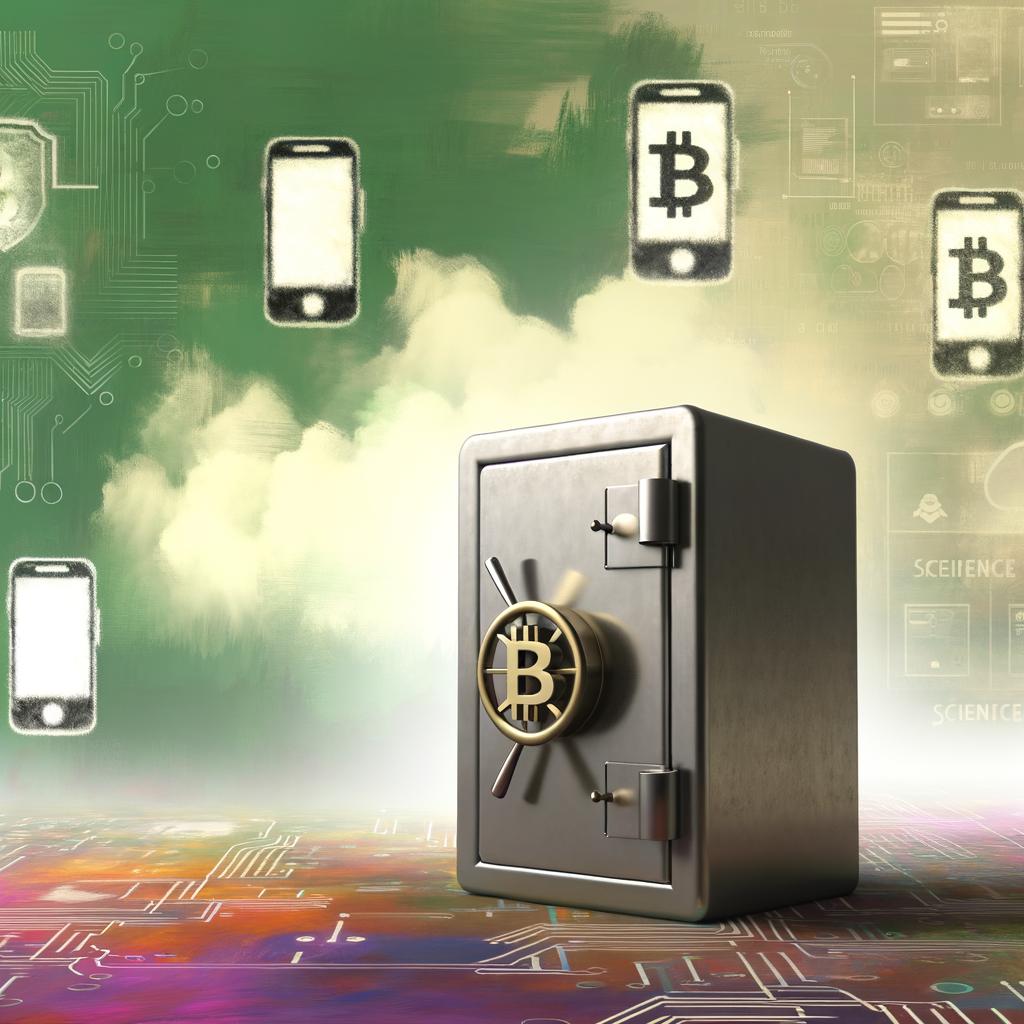
1) Security: Bitcoin hardware wallets provide an extra layer of security by keeping private keys offline, significantly reducing the risk of hacks and malware attacks. In contrast, mobile wallets, which are connected to the internet, can be more vulnerable to phishing and other cyber threats, making the choice of wallet crucial for safeguarding digital assets
When it comes to securing your cryptocurrency investments, the choice of wallet plays a pivotal role. Bitcoin hardware wallets have emerged as a robust solution for safeguarding digital assets by keeping private keys offline. This physical separation from the internet dramatically reduces the exposure to potential attacks.As the keys never touch the online sphere, the risk of hacks, malware, and unauthorized access is significantly diminished. More sophisticated hardware wallets even incorporate measures like PINs and biometric data, adding layers of protection against theft.
On the other hand, mobile wallets are designed for convenience and accessibility, allowing users to seamlessly transact and manage their crypto on-the-go. However, this connectivity to the internet subjects them to various vulnerabilities. Phishing attacks, malicious apps, and insecure networks can expose users to significant risks. Despite advancements in mobile security protocols, the inherent nature of these wallets makes them prime targets for cybercriminals, potentially jeopardizing the safety of your assets.
| Wallet Type | Security Features | Vulnerabilities |
|---|---|---|
| hardware Wallets | Offline storage, PIN protection, biometric authentication | physical theft if not properly secured |
| Mobile Wallets | Encryption, two-factor authentication | Phishing, malware, unsecured Wi-Fi |
Ultimately, the decision between a hardware wallet and a mobile wallet hinges on individual priorities. If your top concern is security, opting for a hardware wallet is advisable. Conversely, if you value mobility and immediate access to your funds, a mobile wallet might suit your lifestyle. Weighing these factors carefully will enable you to choose a wallet that aligns with your security needs and investment strategy.
2) Ease of Use: Mobile wallets tend to offer user-friendly interfaces that make them accessible for everyday transactions. They allow for quick access to funds and are often integrated with exchanges for easy trading. Hardware wallets, while secure, may require a bit more technical knowledge to set up and manage, which could be a barrier for less tech-savvy users
Mobile wallets stand out for their user-friendly interfaces, designed with the everyday user in mind.This inherent simplicity allows individuals to easily navigate their wallets, facilitating quick transactions with minimal effort. most mobile wallets feature intuitive designs,ensuring that even those with limited technological experience can manage their Bitcoin assets smoothly.
Moreover, these wallets often include features that enhance accessibility, such as quick access buttons for sending or receiving funds. Many mobile wallets are also integrated with cryptocurrency exchanges, allowing users to trade Bitcoin and other assets instantly within the app. This seamless integration streamlines the trading process, promoting efficiency, notably for those who engage in frequent transactions.
On the other hand, hardware wallets, while lauded for their high level of security, often require a deeper understanding of cryptocurrency technology.The setup process can be more complex, including steps such as downloading software, configuring security settings, and understanding backup procedures. For less tech-savvy users, these complexities might act as a barrier, making mobile wallets a more appealing option for daily use.
Insights and Conclusions
selecting the right type of wallet for your Bitcoin can significantly impact your security and user experience. Hardware wallets offer enhanced security, ideal for long-term storage, while mobile wallets provide convenience for everyday transactions. cost and accessibility also play critical roles in your decision-making process. Understanding these four factors-security, ease of use, cost, and accessibility-can empower you to choose a wallet that aligns with your cryptocurrency goals and lifestyle. As you navigate the evolving landscape of digital currencies, always prioritize safeguarding your assets while ensuring that your chosen method fits your needs. making a well-informed choice is essential in enjoying the benefits of cryptocurrency without unnecessary risks.
