

Introduction: 4 Essential Steps too Set Up Your Self-Custody Bitcoin Wallet
in an era where digital assets are becoming increasingly popular, ensuring the safety of your cryptocurrency is more crucial than ever. A self-custody Bitcoin wallet allows you to maintain full control over your assets, safeguarding them from potential third-party risks. In this listicle, we outline four essential steps to successfully set up your self-custody Bitcoin wallet. Readers can expect to learn how to choose the right wallet, effectively manage their private keys, and implement crucial security measures. By following these steps,you’ll be well-equipped to protect your investment and navigate the world of cryptocurrency with confidence.
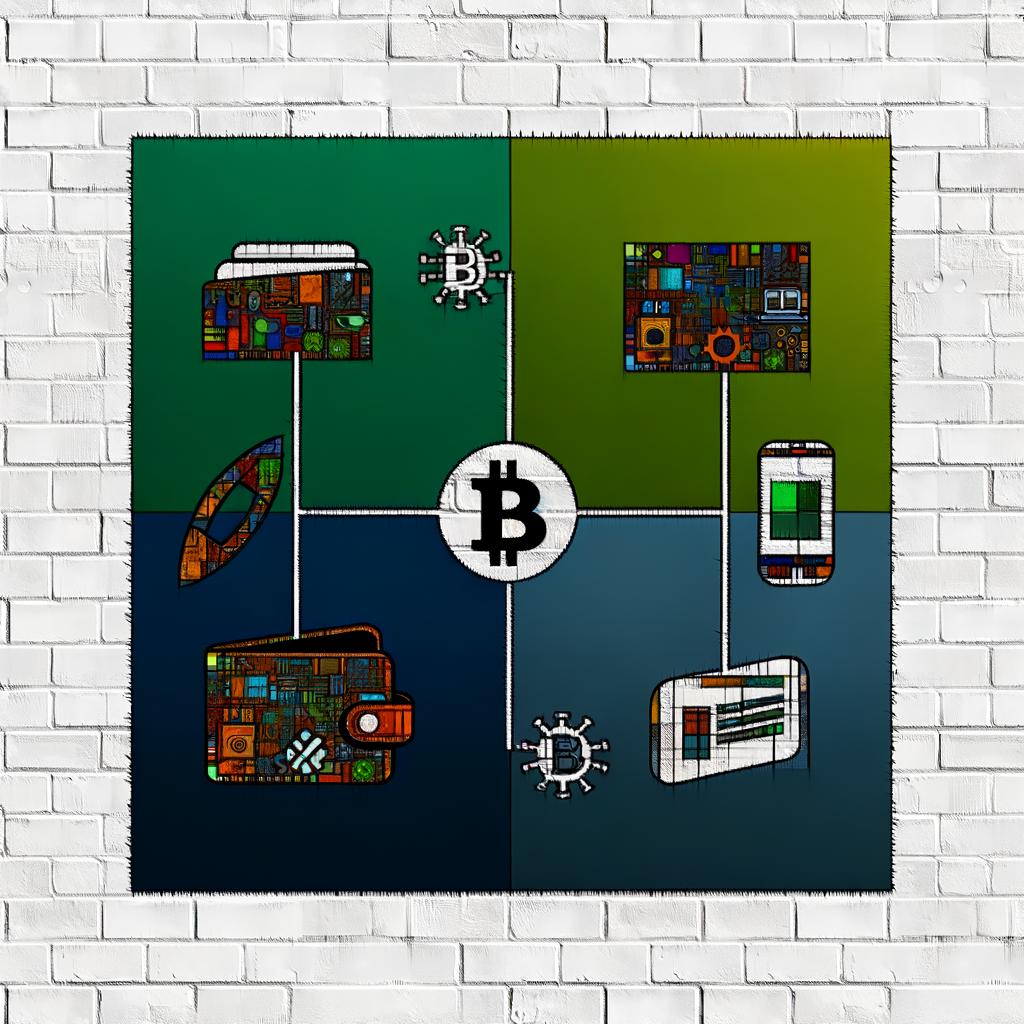
1) Choose the Right Wallet: Begin by selecting a self-custody Bitcoin wallet that suits your needs. Options include hardware wallets, mobile wallets, and desktop wallets. Each type has its benefits and drawbacks regarding security, convenience, and accessibility. Conduct thorough research to find one that balances ease of use with robust security features
Choosing the right Bitcoin wallet is crucial for your self-custody journey. Start by considering the different types of wallets available: hardware wallets, mobile wallets, and desktop wallets. Each type has its unique advantages. Hardware wallets, like the Ledger or Trezor, offer the highest level of security as they store your private keys offline, making them less vulnerable to hacks. Meanwhile, mobile wallets, such as Exodus or Mycelium, provide convenience for everyday transactions and can be accessed on the go. Desktop wallets, on the other hand, typically offer a balance of security and usability, making them a solid choice for those who regularly manage larger amounts of Bitcoin.
To assist in your decision, consider creating a comparison table that outlines the features, security levels, and ease of use for each type of wallet:
| Wallet Type | Security Level | Convenience | Ideal For |
|---|---|---|---|
| Hardware Wallet | High | Low | Long-term Holders |
| Mobile Wallet | Medium | High | Frequent Transactions |
| Desktop wallet | Medium-high | Medium | Average Users |
When selecting a wallet, it’s vital to weigh not only its security features but also its user interface and support options. Look for wallets that offer multi-signature authentication, two-factor authentication (2FA), and regular updates to enhance security. Also, check community reviews and forums for insights into user experiences concerning reliability and functionality. Dedicate time to research various options, ensuring that the chosen wallet aligns with your specific needs for both security and convenience.
2) Generate and Secure Your Private Keys: After setting up your wallet, you’ll receive a private key, which is crucial for accessing and managing your Bitcoin. Ensure you generate these keys offline to minimize exposure to potential hacks. Once generated, store them in a secure location, such as a safe or a secure physical medium, to prevent unauthorized access
When setting up your self-custody Bitcoin wallet, generating your private keys is a critical step. These keys serve as the digital “keys” to your Bitcoin assets, allowing you to access and manage your holdings. it’s crucial to generate these keys in an offline habitat, thus minimizing the risk of hacking and unauthorized access.By keeping your private keys offline, you substantially enhance your security and reduce exposure to potential threats on the internet.
Once you’ve successfully generated your private keys, the next step is securing them effectively. consider the following storage options to ensure their safety:
- Physical Medium: Write your keys on paper and store them in a fireproof and waterproof safe.
- hardware Wallet: Invest in a reputable hardware wallet designed specifically for crypto storage, which keeps your keys offline.
- Secure Digital Backup: If you opt for a digital solution, encrypt your keys and store them on a secure USB drive or another encrypted medium.
Irrespective of the method you choose, never share your private keys with anyone, and be wary of scams or phishing attempts. Additionally, consider making multiple copies and storing them in different secure locations to mitigate the risk of loss or theft.A well-thoght-out strategy for generating and securing your keys is essential to protecting your Bitcoin assets long-term.
Closing Remarks
As you embark on your journey into the world of Bitcoin with your self-custody wallet, remember that the security of your assets hinges on your vigilance and knowledge. By selecting the right wallet, effectively managing your private keys, implementing robust security measures, and staying informed about the cryptocurrency landscape, you empower yourself to navigate this evolving market safely.
Self-custody isn’t just about ownership; it’s about responsibility. The steps outlined in this guide are foundational to protecting your investment and ensuring that your crypto experience is both rewarding and secure. As you take these essential steps, you can trade and transact with confidence, knowing that your financial independence is in your hands. Stay curious and updated as you continue to develop your skills in managing this transformative asset.Your proactive approach today lays the groundwork for a safer digital future.

