

In the rapidly evolving world of cryptocurrency, choosing the right wallet to store your Bitcoin is crucial for ensuring security and ease of access. In our listicle, ”4 Bitcoin Wallet Types: Weighing Pros and Cons for All Needs,” we delve into the four primary types of Bitcoin wallets: hardware, software, paper, and online wallets. Each type comes with its own set of advantages and disadvantages that cater to different user preferences and security needs. By examining thes wallets, readers will gain valuable insights into their unique features, helping them make informed decisions on how best to safeguard their digital assets. Whether you’re a seasoned investor or a newcomer to the crypto space, this guide will equip you with the knowledge needed to navigate the differing options available for Bitcoin storage.
1) Hardware Wallets: Known for their robust security features, hardware wallets store private keys offline, making them immune to online threats. While they offer a high level of protection against hacking, the main drawback is their cost and the need for physical storage space. Users may also find the setup process slightly elaborate, which can be a deterrent for beginners
Hardware wallets are widely recognized for their superior security features, as they maintain private keys offline. This makes them virtually immune to online threats such as hacking and malware, which are prevalent in the digital world of cryptocurrency. For anyone serious about safeguarding their investments, a hardware wallet provides an unparalleled level of protection. Notably, these devices encrypt private keys and require physical access to steal, thereby considerably diminishing the risk associated with online storage options.
However, the main challenges associated with hardware wallets are their cost and physical requirements. Prices for reliable hardware wallets can range significantly, making them less accessible for casual users or those just starting in the crypto space. Additionally, their requirement for physical storage can pose logistical issues; users must ensure that they store these devices in secure locations to prevent theft or loss. This dependency on physical items can be a drawback for modern users who are accustomed to digital-only solutions.
Another factor to consider is the setup process, which can sometimes be daunting for beginners. Many hardware wallets require the installation of specific software and understanding of technical procedures, which can pose a barrier for users who are not tech-savvy. As an inevitable result, those new to cryptocurrency may find themselves frustrated during the initial setup. Nonetheless, for users who prioritize security over convenience and are willing to invest the time and money, hardware wallets offer a robust option for long-term cryptocurrency storage.
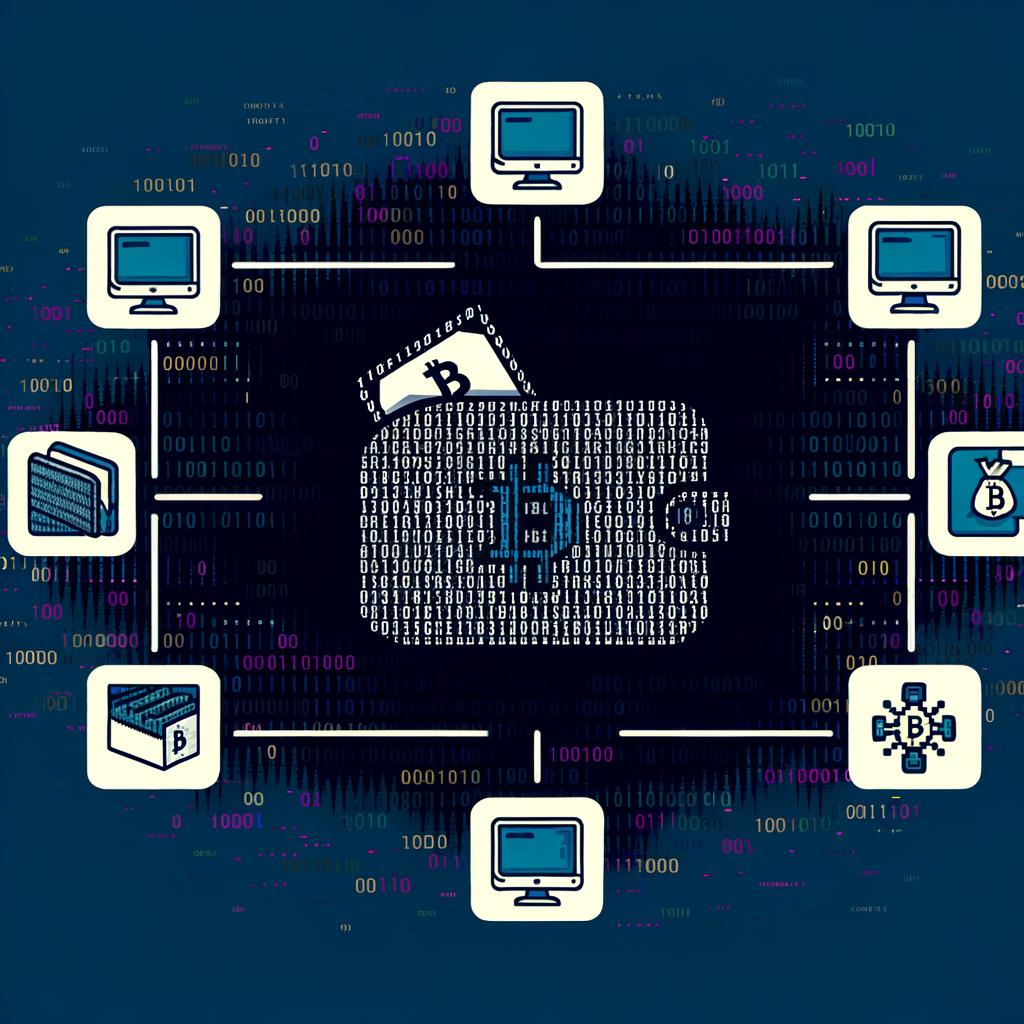
2) Software Wallets: These wallets offer a convenient and user-friendly way to manage Bitcoin, often available as desktop or mobile applications. they allow users to access their coins easily, but their online nature can expose them to malware and hacking attempts. Users should weigh the trade-off between convenience and security when considering software wallets
software wallets, accessible through desktop or mobile applications, present a practical solution for users seeking to manage their bitcoin conveniently.They typically feature a user-friendly interface, making it easy for both beginners and experienced traders to navigate their transactions. The fast access to funds and the ability to send or receive Bitcoin on-the-go are significant advantages, notably for individuals who engage in frequent transactions or those who prioritize mobility in their financial dealings.
However, the online nature of software wallets comes with inherent risks. Since they are connected to the internet, users may be vulnerable to various cybersecurity threats, including malware and hacking attempts. While many software wallets incorporate robust security measures such as encryption and two-factor authentication, the constant threat surroundings means that users must remain vigilant. It is indeed crucial for them to maintain updated software and utilize reputable applications to mitigate potential risks.
Considering these points, users must weigh the trade-off between convenience and security when opting for software wallets. A significant concern is understanding the extent of personal responsibility required in securing their assets. Users should also consider factors such as the wallet’s reputation, community feedback, and available backup options before making a decision.Ultimately, finding the right balance between ease of use and protective features will depend on individual preferences and risk tolerance.
Final Thoughts
choosing the right Bitcoin wallet is crucial for anyone looking to invest or transact in cryptocurrency. Each wallet type-hardware, software, paper, and online-offers distinct advantages and potential drawbacks that cater to different needs and preferences. Hardware wallets provide robust security for long-term storage, while software wallets offer convenience for everyday transactions. Paper wallets can be a secure offline option, and online wallets ensure accessibility and ease of use.
By carefully weighing these pros and cons, individuals can make informed choices that align with their specific security needs, usability preferences, and investment strategies. As the cryptocurrency landscape evolves, staying informed about the best practices in wallet security is essential for safeguarding your assets. For more in-depth insights and practical tips on securing your Bitcoin investments, be sure to explore the linked article further.


