
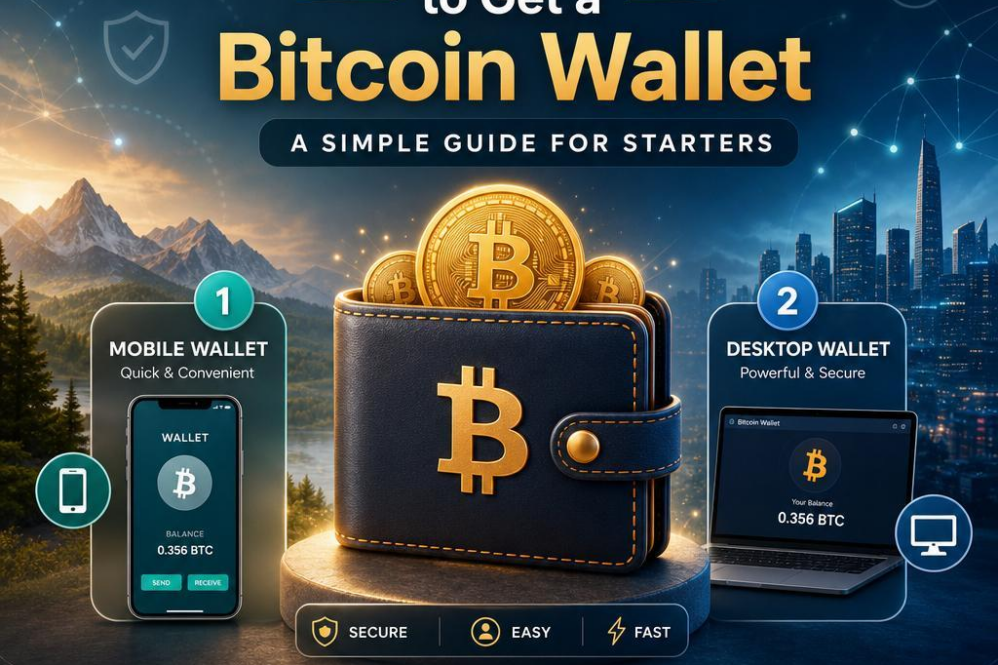
1) Choose a Wallet Type That Suits Your Needs: Begin by understanding the different types of Bitcoin wallets available, such as hardware wallets, software walletsand mobile wallets. Each offers varying levels of security and convenience, so decide whether you want a device that stores your Bitcoin offline for maximum security, or an app that provides easy access on your smartphone
When setting up your Bitcoin wallet, the first critical decision involves selecting a wallet that aligns with your lifestyle and security preferences. If you prioritize security above all, a hardware wallet might be the ideal choice. These physical devices keep your private keys offline, making them resistant to online hacking attempts and malware attacks. While they require an initial investment, hardware wallets provide peace of mind for storing important amounts of Bitcoin long-term.
Conversely, software wallets offer a flexible solution for those seeking a balance between security and usability. Installed on your desktop or mobile device, they provide faster access to your funds and are perfect for frequent transactions. mobile wallets, a popular subset, give you the convenience of managing Bitcoin transactions on the go, frequently enough integrated with QR code scanning and instant notifications. However, these do expose your private keys to potential online vulnerabilities, so choosing reputable wallet providers is essential.
To help clarify your options, consider the following speedy reference:
| wallet Type | Security Level | Convenience | Best For |
|---|---|---|---|
| Hardware Wallet | High | Moderate | Long-term holders, large balances |
| Software Wallet | Medium | High | Active traders, daily use |
| Mobile Wallet | Low to Medium | Very High | On-the-go micropayments, convenience seekers |